

Latest
Story
20 October 2026
From Wealth to Wellbeing: Mongolia's Next Development Chapter
Learn more
Speech
01 October 2026
The UN Secretary-General’s Message For International Day Of Older Persons
Learn more
Speech
21 September 2026
Secretary-General's remarks at the UN Peace Bell Ceremony
Learn more
Latest
The Sustainable Development Goals in Mongolia
The Sustainable Development Goals are a global call to action to end poverty, protect the earth’s environment and climate, and ensure that people everywhere can enjoy peace and prosperity. These are the goals the UN is working on in Mongolia:
Story
19 August 2026
The Rio Trio: Why environmental conferences matter for global stability and prosperity
This year, Mongolia, Armenia and Türkiye will take centre stage in the global effort to confront three of the defining environmental challenges of our time: desertification, biodiversity loss and climate change. Mongolia will host COP17 of the UN Convention to Combat Desertification in August; Armenia will host COP17 of the Convention on Biological Diversity in October; and Türkiye will host COP31 of the UN Framework Convention on Climate Change in November. These gatherings are more than “just” environmental conferences. They are about economic transformation, sustainable development, social stability, and the future of multilateral cooperation. Amid geopolitical tension, rising food and energy insecurity, and widening inequality, environmental action is not a luxury. It is an essential investment in a more stable, just and prosperous world. The geopolitical imperative for environmental action The world is meeting in a moment of acute uncertainty. Conflicts in the Middle East are affecting energy supplies, food security and economic activity, with the heaviest burden falling on vulnerable countries and communities. Higher fuel and fertilizer prices threaten harvests, public budgets and household incomes. These shocks show how deeply environmental security is linked to economic resilience and peace. This is precisely the moment to invest in sustainable development, not as a cost, but as a practical strategy for managing risk. Land restoration, clean energy, biodiversity protection and water security can reduce import dependence, strengthen food systems, create jobs and protect livelihoods. Delayed action will only raise future costs and deepen human suffering. The Rio Trio conferences are therefore not simply about saving trees, protecting species or reducing emissions. The decisions made in Ulaanbaatar, Yerevan and Antalya will help determine whether countries can break cycles of vulnerability and build resilient economies that protect people’s rights and opportunities. Many meetings, one moment Although the three conferences are governed by separate conventions as outcomes of the 1992 Rio Earth Summit, the issues they address are inseparable. Climate change, biodiversity loss and land degradation are symptoms of the same unsustainable patterns of production and consumption. And they reinforce one another: drought accelerates land degradation; degraded land undermines biodiversity; biodiversity loss weakens ecosystems; and weakened ecosystems intensify climate impacts. Our three countries show this clearly. In Mongolia, increasing pressure on rangelands is driven by land degradation, biodiversity loss and climate vulnerability, all of which reinforce one another. In Armenia, logging, overgrazing, agriculture and mining are eroding fragile forest ecosystems that rural communities depend on, with downstream effects on pollination and water purification. In Türkiye, extreme heat has reduced greenhouse tomato yields while sharply increasing irrigation and energy demand, creating a vicious cycle of vulnerability. These are not separate crises. They are one system under stress. That is why governments, cities, civil society and companies should approach the Rio Trio as building blocks of one architecture for resilience, rather than as isolated diplomatic moments. Policy coherence is no longer optional; it is the only way to deliver results at the speed and scale required. The UN Water Conference in December will bring these threads together, reminding us that water security underpins agriculture, public health, ecosystems and energy systems. Together, these meetings offer countries a rare opportunity to align development planning, climate commitments, biodiversity strategies, land targets, financing approaches and digital infrastructure into a single coherent national narrative – one that delivers sustainable development and leaves no one behind. Finance: the elephant in the room The critical thread across all three Rio COPs is finance: not only how much is available, but also how coherently it is directed. Countries face a multi-trillion-dollar annual gap in achieving the Sustainable Development Goals while trying to deliver climate action, biodiversity protection, land restoration, food security, water resilience, and inclusive growth at the same time. The task ahead is not simply to mobilise more resources, but to align fragmented sources of finance behind shared national goals. Domestic public finance should set direction through budgets, subsidies, tax policy, public investment and procurement. International public finance and vertical funds should reinforce that direction, while private capital can be mobilised through clearer pipelines, risk-sharing tools and predictable regulation. Philanthropy and blended finance can help prepare projects and absorb early-stage risks. This matters because finance follows confidence. Integrated national pathways across energy, food, land, water, urban and digital systems can reduce policy uncertainty, clarify trade-offs and make investment opportunities more bankable. From Mongolia’s need for investment in drought-resilient agriculture, to Armenia’s efforts to mobilise biodiversity finance and nature-positive value chains, to Türkiye’s ambition to unlock climate finance for green industrialisation and resilient infrastructure, the lesson is the same: integrated plans lower risk, attract investment and accelerate delivery. The Rio Trio must therefore help shift the conversation from pledges to pipelines, and from isolated funding windows to financing strategies that bring all actors to the same table. Helping governments connect the dots This is the work the UN is supporting in over 160 countries around the world. As UN Resident Coordinators, our role is to help governments make the most of the opportunities at the global stage and mobilise the full breadth of the UN system to deliver at the national level. We are helping link national climate plans (NDCs and NAPs), National Biodiversity Strategies and Action Plans, land degradation neutrality targets, financing strategies and investment pipelines. We are helping bring ministries, civil society, the private sector and international financial institutions around clearer choices and shared priorities. In Mongolia, preparations for COP17 on desertification are being used to build a lasting development legacy, long after delegates have left Ulaanbaatar. The discussions around land restoration, sustainable rangeland management and drought resilience are helping connect global environmental commitments with national development priorities. As pressure on rangelands grows, sustainable land management, ecosystem restoration, and the protection of vulnerable landscapes offer opportunities to strengthen biodiversity, resilience and long-term economic prospects, including nature-based tourism. Meanwhile, UN Armenia and partners are advancing preparations for COP17 on biodiversity in November 2026 through policy advocacy that demonstrates the inextricable links between biodiversity and climate and engages with all actors in society. In particular, intentionally bridging media and experts in the discussion is paving the way for a shared space where scientific expertise meets responsible storytelling, as an essential step towards unlocking and aligning financing. The COP17 Media School aims to evolve into a flagship initiative, a forward-looking model: a scalable and ready-to-use initiative that can be adapted beyond Armenia to support high-quality media coverage of future COPs globally. Through its COP31 Engagement Strategy, the UN in Türkiye has convened a broad coalition of government, business, academia and young people focused on the circular economy, industrial decarbonisation, food systems, water, urban resilience and a just transition. This is helping turn dialogue into practical partnerships and scalable solutions, while ensuring that diverse voices help shape tomorrow’s decisions. Policy dialogues with the Turkish Cooperation and Coordination Agency (TİKA) and the COP31 High-Level Climate Champion, with support from the United Nations Office for South-South Cooperation, are channelling UN support towards a Türkiye-anchored South-South and Triangular Cooperation Climate Initiative that will connect developing countries with practical solutions, expertise, technologies and finance. This matters particularly for Least Developed Countries and Small Island Developing States and is precisely the kind of joined-up approach the Rio Trio calls for: linking climate action with nature, land, development cooperation and investment. The opportunity is strategic and immediate: the Rio Trio can help countries move from pledges to pipelines, from parallel processes to joined-up action, and from short-term crisis response to long-term resilience. For host countries, success should ultimately be measured not by the quality of the conference alone, but by the partnerships, investments and policy changes that endure long after it concludes. One chance for collective action The stakes could not be higher. If we continue to treat land, nature, climate, water, cities and finance as separate agendas, we will continue to chase crises as they multiply. But if we connect them – politically, financially and practically – we can build economies that are more resilient, societies that are more secure, and a planet that can sustain future generations. This is the promise of the Rio Trio. Not three conferences. One chance to choose coherence over fragmentation, investment over delay, and collective security over shared vulnerability. The world should take it.
1 of 5

Speech
29 June 2026
THE SECRETARY-GENERAL ADDRESS AT LONDON CLIMATE ACTION WEEK
Dear friends, All protocols observed.Thank you for your warm welcome – and Michael Bloomberg, thank you for your kind words – and for your longstanding and outstanding leadership on climate action.You are helping turn ambition into real progress for people and planet. Thank you for your strong voice – and I am grateful for the commitment and advocacy of so many distinguished leaders here today, starting by our mayor.Dear Friends, Crisis brings clarity.And here in London – the city of Dickens – it is clear that our world is facing a Tale of Two Crises. A climate crisis pushing us deeper toward higher temperatures and closer to catastrophic tipping points.And an energy crisis exposing the folly of a world hooked on hydrocarbons.On the surface, these crises may seem separate.But they share the same destructive origin:Fossil fuels.And they demand the same answer:A fast, fair transition to clean energy – and a surge in adaptation, resilience and climate justice for those already facing climate harm.Dear friends, Crisis number 1: climate chaos is accelerating before our eyes.We have just lived through the eleven hottest years ever recorded.And today this city – and far beyond – are experiencing the hottest day of the year – with higher temperatures to come.London isn’t just calling – it’s cooking. Around the world, climate disasters are becoming more frequent, more destructive, and more costly.And the World Meteorological Organization has warned we ain’t seen nothing yet.El Niño is not just knocking on the door. It risks blowing the house down. Turning up the heat. Disrupting food and water systems. And hitting the vulnerable the hardest. Ten years ago, world leaders agreed in Paris to limit global temperature rise to 1.5 degrees Celsius. Now scientists say average annual temperatures will exceed that threshold in the coming years. The task before us is to strictly limit the overshoot, shorten its duration, and bring temperatures down below 1.5 degrees Celsius as fast as possible.Every fraction of a degree matters.Every moment counts. Because the higher and longer the overshoot, the greater the risk of crossing planetary tipping points that trigger irreversible change.Today, the United Nations Scientific Advisory Board is releasing a report on precisely what that would mean. Coral reef systems pushed towards collapse. The accelerating loss of ice sheets in Greenland and the West Antarctic – locking in sea-level rise that would reshape coastlines, displace millions, and threaten the existence of some island nations. The weakening of major ocean circulation systems that regulate weather and rainfall. And parts of the Amazon rainforest shifting toward savanna-like conditions.Dear friends, The Earth’s tipping points are like objects in a car mirror: They are far closer than they appear. At the same time, we are confronting a second crisis. Conflict in the Middle East has unleashed the mother of all energy shocks.The International Energy Agency tells us its scale rivals the oil upheavals of the 1970s … and the turmoil followed by the Russian invasion of Ukraine. Combined. For many developing countries, this is not just an energy crisis. It is a debt shock. A food shock. A development shock. And I would add that any peace agreement is welcome and would bring much needed relief, but – make no mistake – the impacts are likely to be long-lasting. Dear friends, These twin crises have once again exposed the limits of an outdated model of development.A model powered by fossil fuels – where a single conflict can upend global energy supply, and a single chokepoint can send prices soaring. A model that treats nature as limitless – to be consumed without consequence. A model that has created enormous wealth – but also deepened inequality and fueled insecurity. A model in which those who did the least to cause these crises pay the highest price. The lesson is clear: this model has no future. The international community recognized its limits when it adopted the 2030 Agenda for Sustainable Development. The world cannot go back.We cannot double down on a system based on fossil fuels that is driving both the climate crisis and the energy crisis.What we need, urgently, is the will to fully implement the Sustainable Development Goals. To align prosperity with resilience. Growth with sustainability.And opportunity with justice.The good news is – unlike every past energy crisis – we now have a clear way out.A clean way out. Renewables are the cheapest, fastest and most scalable source of new electricity in most of the world.Since 2010, the cost of solar has plummeted by almost 90 per cent, onshore wind by more than 70 per cent, and battery storage by 95 per cent. Last year, wind and solar exceeded all new electricity demand growth worldwide.Solar recorded the single largest annual increase of any electricity source in history.More than 90 per cent of new renewable power added globally is already cheaper than the lowest-cost fossil fuel alternatives.According to the International Renewable Energy Agency, existing renewable energy capacity saved the world economy 480 billion US dollars in avoided fossil fuel costs in 2025 alone.And renewables avoided more than the usual carbon dioxide emissions of the US, the EU and Japan – combined. Meanwhile, clean energy investment is attracting almost twice as much as fossil fuels. Much of this momentum is from fossil fuel-importing countries determined to break free from unstable and unpredictable energy markets.They understand a core truth: Every unit of energy a country produces for itself is one less unit it must purchase from a market it cannot control...through a route it cannot protect…at a price set by events it did not choose. There are no embargoes on sunlight and no blockades on the wind. Dear friends, The verdict is in: Energy independence cannot be built on fossil fuel dependence.Renewables are the cornerstone of true energy security. Electrifying transport, buildings and industry is among the fastest ways to cut emissions and break reliance on imported fossil fuels.The more economies run on clean electricity, the more secure, resilient and competitive they become. So how do we make a clean break?Let me point to seven steps. First, we must act with far greater urgency to strictly limit the magnitude and duration of any overshoot beyond 1.5 degrees.Science has laid out a clear roadmap: Emissions must peak immediately … fall steeply this decade … and reach global net zero by 2050.Yet the world remains dangerously off track.The latest national climate plans would reduce global emissions by only 10 per cent by 2035. Science tells us that emissions must fall by 60 per cent over the same period to keep 1.5 within reach. The G20 – which is responsible for around 80 per cent of global emissions – must lead. The principle of Common But Differentiated Responsibilities applies, but every major emitter must do much more.And every country must over-deliver on its commitments.By accelerating the shift away from fossil fuels towards clean energy – as governments committed at the 2023 UN Climate Conference. By halting deforestation and restoring nature.And by rapidly reducing carbon dioxide emissions from coal, oil, and gas production and consumption.CO₂ remains the principal driver of long-term warming. But it is also time to prioritize the cutting of methane. Methane is responsible for around one-third of global warming.It is some eighty times more powerful than carbon dioxide. But unlike CO₂, methane breaks down in the atmosphere within a decade or two.That means that aggressive cuts could produce visible temperature relief within a generation. That is why today, I am launching a global Call to Action on Methane.It spotlights three sectors. The waste sector -- including decisive steps to reduce food waste, end open dumping, and capture emissions from landfills and wastewater.The agriculture sector -- driving down emissions with proven solutions to advance food security and protect farmers’ livelihoods.And a special focus on the sector that is the root cause of the twin crises facing our world … and where the most immediate gains can be made – coal, oil and gas.I am urging the fossil fuel industry to step up and do what is long overdue. The International Energy Agency found that around 70 per cent of oil and gas methane emissions can be eliminated using existing technology – much of it at low or no net cost.Yet in 2025 alone, some 167 billion cubic metres of gas were flared into the sky – as much as Africa consumes in a year.UN Environment’s Methane Alert and Response System has issued more than 5,000 alerts across 33 countries.Yet the global response rate stands at just 12 per cent.This is why voluntary action is no longer enough. The world phased out leaded gasoline. We eliminated ozone-depleting chemicals.Methane pollution must be next.I call on producer and consumer governments alike to set a new global standard for the oil and gas sector: near-zero methane emissions across the value chain.Second, we must address today’s energy crisis without deepening dependence on the fuels driving it. Around the globe, powerful voices continue to insist on more coal mines, more oil fields, more gas expansion.This, at a time when the world will not even be able to use all the fossil fuels already accessible – let alone gamble on new supplies and infrastructure that risk becoming obsolete well before the end of their economic life. And let’s be clear: It is not only assets that will be stranded — it is entire economies.The growth engine of today and tomorrow runs on clean energy. I understand the impulse, especially in periods of turbulence, to hold on to what feels familiar.The promise of “business as usual” can sound reassuring to some.But it means paying more for less security. It means surrendering the industries and the jobs of the 21st century to others – while risk deepens at home.That’s not leadership. It’s retreat. And we must be equally clear about who bears the cost: Working people. Families feeling the strain with higher bills, greater uncertainty, a sense that the system is not working for them — while fossil fuel giants continue to reap extraordinary profits.The eight largest fossil fuel companies reported pocketing an extra $6.5 billion in the first quarter of this year alone – and that only includes one month of the Middle East crisis, as oil prices continued to climb and profits to rise. These are windfall gains born of pain – of instability, hardship and dependence. I urge governments to tax them. And I urge them to use the proceeds where they belong: helping vulnerable families and communities, and accelerating the shift to clean, affordable energy. But removing harmful subsidies and incentives is not enough. We must also remove the structural barriers holding back clean energy projects. Too often, they are simply waiting – sometimes for years – to connect to the grid.Transmission is inadequate. Distribution systems are outdated.Storage is lagging behind. Digital systems are not yet sufficiently smart or flexible. And regional and inter-regional connections remain too limited. If we are serious about the transition, we must treat grids as strategic infrastructure.The age of electrification will require a massive expansion of grids, storage and system flexibility. And we need rules fit for the 21st century. Governments must create the conditions for investment – with modernized planning, faster permitting and regulatory reform. Third, as demand for energy continues to rise, we must confront one of its fastest growing sources: AI data centres.Artificial intelligence can accelerate climate solutions. It can help cure disease, transform education, and enable humanity to tackle challenges once thought beyond our reach. We must harness that potential.But AI is also hungry for land, water and power.The data centres behind it already consume more electricity than most nations. By 2030, they could use more power than all but five countries – and enough water to meet the basic needs of all 1.3 billion residents of sub‑Saharan Africa for an entire year.They take up land, too – often in places that see few of the benefits.Despite these obvious concerns, communities are often left in the dark about the environmental impact of the infrastructure rising around them.So today I am proposing the AI Environmental Transparency Initiative.I am calling on every major AI company to measure and publicly disclose the full environmental impact of its systems – carbon, water, and land footprints – and to commit to power every data centre with renewable energy by 2030.No more hidden costs. No more shifting the burden onto those least able to bear it.It is time to come clean.If AI is to help build a better future, it must be honest about what it costs us now.Fourth, we must deliver a just transition.History teaches a hard lesson: The greatest threat is not a transition itself – but the failure to manage it. That is the risk we face today. The energy transition is not moving in a coherent way. Fossil fuel investment continues even as clean energy grows.Countries are pulling in different directions.Producers are asking: What happens to our revenues, our jobs, our economies? Consumers are asking: Will energy remain affordable and reliable?Developing countries are asking: Will we be able to compete – or be left behind?And workers, communities, and young people are asking: What does this transition mean for our future?Right now, these questions are not being answered in a joined-up way. We need a shared, practical effort focused on delivery.A space that brings together producers and consumers, developed and developing countries, finance, industry, labour and civil society.A space to focus on the real issues that will determine whether this transition succeeds or fails. How do we phase out reliance on fossil fuels while rapidly scaling up clean energy?How do we manage the economic risks for countries that depend on fossil fuel revenues?How do we support workers and communities through a just transition?And how do we mobilize investment at the speed and scale required?I will convene leaders in September to help drive this work forward in advance of the UN Climate Conference – COP31 – in Türkiye.Because the transition itself is no longer in question. It will be either managed or chaotic … fair or unequal … a source of stability or of greater division.These choices are still ours to make. The transition will be inevitable. And I want to emphasize that clean energy cannot be built on dirty practices.A just transition means the countries and communities whose lands hold the critical minerals of the clean energy future must fully share in its benefits. No more extraction without development.Fifth – and fundamentally – we must do far more to protect people and communities from the here-and-now effects of climate chaos. Because even at full speed, we cannot outrun climate change. Its impacts are already here – compounding and cascading.A drought can quickly become a food crisis. A storm can become a debt crisis.A heatwave can become a public health emergency.Adaptation is essential.It saves lives, safeguards homes and communities, helps economies absorb shocks and holds societies together.Yet adaptation has long been framed as charity.That’s wrong.Climate impacts are already reshaping development, stability and security.They are straining food and water systems, disrupting supply chains, pressuring public finances, and deepening fragility.We must respond accordingly. Adaptation must be built into national planning and decision-making – from development strategies to regulation. We need more effective insurance and risk-sharing systems. We need contingency systems that can act before shocks become humanitarian and economic catastrophes. We need better preparation before disaster strikes and to fully implement our Early Warnings for All Initiative. And developed countries need to deliver on their long-standing commitment to double adaptation finance – with a clear trajectory toward tripling it.That leads to the sixth point -- all of this requires finance at the scale, speed, and fairness that both crises demand.Today, the global financial system is failing the countries that need support most. It overprices risk – and underprices opportunity.Many developing countries face borrowing costs for clean energy and resilience that can run two to three times more than in wealthier economies.Countries rich in renewable potential are being locked out of the clean energy revolution.Look no further than the vast African continent. Africa is home to 60 per cent of the world’s best solar resources. Thirty per cent of critical minerals. And one-fifth of humanity.Yet it receives just two per cent of global clean energy investment.At the same time, more than 600 million Africans still lack access to electricity.This is unjust and a lost opportunity for Africa and the world.Developed countries must keep their promises, including support to the Fund for Responding to Loss and Damage and the Green Climate Fund.The $300 billion pledged to developing countries must be delivered – with concrete steps to mobilize $1.3 trillion a year by 2035. In a world of shrinking aid, we must also unleash the catalytic role of Multilateral Development Banks and the wider development finance system to help fund long-term infrastructure such as grids, mass transit, and water systems. Recent reforms and policy decisions have increased the lending capacity of Multilateral Development Banks by $600-800 billion. They must use it aggressively to finance the infrastructure of the future and climate adaptation.They must also adapt their instruments to match the scale and timeframe of the challenge, including [providing] 50-year finance where needed. And we must go further.The lending capacity of Multilateral Development Banks must be further boosted by their shareholders, including through bold recapitalization and further reforms. In the face of shrinking fiscal space, every public dollar must work harder and be used more creatively to unlock private capital. That means scaling up guarantees, local currency financing, blended finance and other risk-sharing instruments to lower the cost of capital and crowd in private investment – especially in developing countries where risks are perceived as high. It means drawing on additional sources of finance – from solidarity levies on high-emitting sectors, to debt-for-climate swaps, to carbon market revenues, to mobilizing philanthropy. And it means ensuring that all financial institutions - public and private – align their operations with the Paris Agreement and the realities of a warming world. In the end, the test is simple: We must move capital to developing countries at the speed, scale, and affordability that the times demand to respond to the climate crisis, unleash stronger more resilient growth, and advance the Sustainable Development Goals. Seventh, and finally, we must protect science – and truth itself.Science has given humanity the ability to understand the risks before catastrophe strikes. Yet disinformation is spreading – deliberately – to delay climate action, entrench vested interests, and erode trust. We must act to protect scientific independence; Strengthen trust in evidence and institutions; Safeguard human rights defenders and journalists reporting on climate and the environment; And ensure everyone has access to reliable, credible and science-based information.The United Nations has launched the Global Initiative for Information Integrity on Climate Change to help do just that. Facts matter. Science matters. Information integrity matters. Dear friends,Let me conclude where I began – with Dickens. For the climate agenda, this is indeed the best of times and the worst of times. The worst – because climate impacts are intensifying, tipping points are looming, and the energy crisis has exposed the deep risks of dependence on fossil fuels. But also the best – because the renewables revolution is well underway. A revolution of clean power, electrification, falling costs, rising ambition – and vast opportunity.A revolution that can free countries from the volatility of fossil fuel markets, expand access to energy, strengthen security, create jobs, clean the air, restore ecosystems, and bring a safer future within reach. We have the enormous opportunity – and responsibility -- to turn this Tale of Two Crises into a single story of resolve, fairness and shared progress.We can finally turn the page on fossil fuels – and write a future powered by renewables and rooted in climate justice.This is our moment of choice. Our moment of truth. Our moment of opportunity. Let’s seize it. Thank you.
1 of 5
Story
26 January 2026
Accelerating Mongolia’s just energy transition
In winter, as temperatures often fall below –30 °C, Ulaanbaatar—the world’s coldest capital—chokes under heavy, toxic coal smoke. For residents of Ulaanbaatar and other urban centers, winter brings not only bitter cold but suffocating smog that endangers both health and livelihood. Ms. Gantuya, a mother of three living in the city’s sprawling ger – traditional round felt tents- areas in Chingeltei District of Ulaanbaatar, enduring the bitter cold was just one challenge. Coal-driven air pollution is harming people's health. UNICEF reports that air pollution has devastating effects on citizens’ health—especially children and pregnant women exposed to toxic pollutants—leading to a higher incidence of stillbirth, preterm birth, pneumonia and other respiratory complications. “My eldest daughter’s dust allergies made her miserable in the dusty, coal-smoke-filled air,” said Ms. Gantuya, featured in a UNDP Mongolia’s story. A bright shift is emerging in Mongolia’s renewable energy story, with Ms. Gantuya among 68 households proving that the transition from coal to clean power is not only bold but possible. “Our home is warm and clean, and there’s no black smoke anymore. The solar system eliminated the need to purchase and transport coal, saving both time and money. My son has more time to study instead of chores to collect coals and my daughter’s allergies have improved,” Gantuya recalls. The pilot ‘Solar Facility’ project by UNDP Mongolia introduced solar-powered heating and demonstrated it as a clean alternative to coal. Using photovoltaic systems with smart meters, it cuts emissions, improves air quality, withstands Mongolia’s harsh winters, and enables carbon credit tracking. UNICEF Mongolia is also contributing to the country’s transition from coal to low carbon and renewable energy by demonstrating multi-source low carbon heating for harsh climates. For instance, renewable energy systems now power five rural primary schools and 10 soum health centers, while solar-enabled WASH facilities reached 37,490 people in ten provinces. Thanks to UNICEF’s flagship CHIP package, over 25,000 people now enjoy warm, clean homes—free from coal—through electric heaters, modern appliances, and improved insulation in 6,000 ger households across 13 provinces and four districts of Ulaanbaatar by 2025. Amaasuren, an elderly man who lives with his wife, shared that he previously struggled with bringing coal into their home during the heating season. Shiting to this new heating stove has reduced their workload by nearly 50 percent and eliminated the risk of slipping on ice, giving them safety and peace of mind. From Pilot to Expansion, paving the way for Clean Energy Policy Reform With over 90% of energy still coal-based, Mongolia has set ambitious climate goals to transition from coal to clean energy under its Nationally Determined Contribution (NDC) 3.0 and Vision-2050. With solar and wind potential exceeding 2,600 GW3, Mongolia aims to raise renewables to 30% of installed capacity by 2030—up from 18.3% in 20234. Yet only 0.06% of its vast renewable potential is used. Pilot initiatives by UNDP and UNICEF have demonstrated strong results, reducing household coal use and improving quality of life. Building on these pilot initiatives, the Government is committed to expanding renewable-driven heating and energy solutions for households, while leveraging carbon market opportunities to ensure long-term sustainability. With partner support, households have already begun supplying surplus electricity to the central grid and generating income. These locally rooted outcomes are now informing national regulatory frameworks, carbon policy and international climate finance. In particular, the UN Mongolia supported the Government in elaboration of its Just Energy Transition Framework (JETF)—a comprehensive plan balancing environmental, social, and economic priorities. Backed by the Joint SDG Fund and led by the UN Resident Coordinator with UNDP, UNICEF, and UNESCAP, this policy framework promotes clean energy, SME growth, and green infrastructure, ensuring vulnerable communities benefit. As UN Resident Coordinator Jaap van Hierden noted, the Framework places people at the heart of Mongolia’s energy transition, fostering decent work and resilience across all communities. By 2035, the Framework is expected to evolve into Mongolia’s own national compass for equitable and resilient energy transition. Ms. Matilda Dimovska, UNDP Resident Representative in Mongolia, highlighted that the country’s energy future must be both green and just – cleaner systems that create opportunity and leave no household, worker or region behind.Mr. Khicheengui Jantsan, Director-General of the Policy and Planning Department of the Ministry of Energy, reiterated the Government’s full commitment to advancing Mongolia’s Just Energy Transition, noting that the Framework provides a shared path to achieve national energy and climate goals in line with both domestic priorities and international commitments. Financing Mongolia’s Clean Energy Transition
Mongolia’s Just Energy Transition Framework (JETF) integrated climate financing mechanisms and inclusive roadmaps for health and education, ensuring no one is left behind. Achieving this transition will require USD 10–16 billion by 2035 and will need rigorous resource mobilization instruments to attract blended financing from public, private, and international partners. The Solar Facility Project was made possible with funding from UNDP’s Funding Windows (the Government of France), China International Development Cooperation Agency, and Chingeltei District, in partnership with Ulaanbaatar City, the Ministry of Environment and Climate Change. Local start up URECA and NGO Ger Hub brought the locally grown innovation, technical solution and mobilization of communities. UNICEF’s CHIP initiative is financed through a blended, innovative, and inclusive financing model, combining government subsidies, concessional green loans, and households’ own contributions.
Mongolia’s Just Energy Transition Framework (JETF) integrated climate financing mechanisms and inclusive roadmaps for health and education, ensuring no one is left behind. Achieving this transition will require USD 10–16 billion by 2035 and will need rigorous resource mobilization instruments to attract blended financing from public, private, and international partners. The Solar Facility Project was made possible with funding from UNDP’s Funding Windows (the Government of France), China International Development Cooperation Agency, and Chingeltei District, in partnership with Ulaanbaatar City, the Ministry of Environment and Climate Change. Local start up URECA and NGO Ger Hub brought the locally grown innovation, technical solution and mobilization of communities. UNICEF’s CHIP initiative is financed through a blended, innovative, and inclusive financing model, combining government subsidies, concessional green loans, and households’ own contributions.
1 of 5

Story
12 March 2026
Immunization for all: Mongolia’s drive to protect every child
As the afternoon sun shone high over Zamiin-Uud soum in southeastern Mongolia, a healthcare team made its way across a dusty trail toward a local neighbourhood home. There, a grandmother waited with her granddaughter in her arms, ready for the child’s second dose of the measles, mumps, and rubella (MMR) vaccine as well as the second dose of the hepatitis A vaccine, scheduled for age two. The little girl was brave and didn’t cry. Her grandmother smiled proudly.“She couldn’t visit the health centre in time, so she requested home vaccination,” said Dr. Dashpagam, Head of the Immunization Department at the National Center for Communicable Diseases (NCCD). “This is how we make sure no child is left behind.”“I’m very pleased to see such dedicated healthcare workers visiting homes to ensure that every child is vaccinated,” added Dr. Socorro Escalante, WHO Representative to Mongolia. “These are the public health interventions that save lives and secure our future.”This home visit, replicated across the country for families unable to reach health centres, captures the spirit of World Immunization Week (WIW) 2025 in Mongolia: bringing life-saving vaccines to every family, wherever they are, and building public trust through commitment and community presence. A strong foundation, rebuilding trustMongolia’s Expanded Programme on Immunization (EPI) has long been a success story. Even through the COVID-19 pandemic, the country maintained routine immunization coverage above 95%, thanks to strong primary health care integration, community outreach, and support from partners like WHO, UNICEF, and Gavi.However, widespread misinformation and disinformation have shaken public confidence in vaccine safety and efficacy. This erosion of trust was evident during the rollout of the Human Papillomavirus (HPV) vaccine in 2024. Despite a national target of 75% coverage among 11-year-old boys and girls by year’s end, the campaign reached only 55.1% of the target group, with even lower coverage in certain provinces.In response, the Ministry of Health and its partners launched a strategic shift in 2025. The new approach focuses on strengthening the capacity of healthcare workers and deepening community engagement to rebuild trust.World Immunization Week (WIW) 2025 kicked off with a media briefing, where health leaders addressed public concerns and shared evidence-based information about vaccines. Community outreach events have been organized nationwide. At these events, trusted leaders and health professionals met with parents and grandparents to share information, answer questions, and address concerns.“I have 11-year-old twin grandsons,” said a grandmother at an outreach event in Dornogovi. “Now I understand how HPV vaccination protects their future. I want them to be vaccinated.”“To improve HPV vaccine coverage, we must strengthen communication, awareness, and training efforts,” emphasized Dr. D. Bayarbold, Head of the Division of Communicable Diseases at the Ministry of Health. “We’re working to restore confidence - one conversation at a time.” Bringing healthcare services to Mongolia’s most remote familiesThroughout WIW and into May’s National Immunization Days, joint teams from the Ministry of Health, NCCD, and WHO conducted field missions to provinces with lower vaccination coverage – Dornogovi, Govisumber, and Bayan-Ulgii. The missions aimed to provide technical support to strengthen routine immunization coverage, with a particular focus on HPV vaccination and measles outbreak response.The mission teams met with local leaders and health authorities, visited provincial and soum health centres, trained health workers, and supported outreach events. These efforts were especially urgent amid a measles outbreak, with over 7000 confirmed cases as of June 2025, primarily affecting secondary schools in Ulaanbaatar.Providing updates on the measles response and HPV vaccination, Dr. Battsetseg, Head of Dornogovi’s Department of Health, emphasized the importance of the mission’s guidance.“These discussions are vital to intensifying immunization efforts and ensuring the readiness of our services,” she said. “We want to exceed the national average and protect our communities.”In the windswept steppe of Govisumber province, Tserenchunt, a mother of three, shared her experience. “During the busiest herding season, when we are caring for newborn animals, our family centre comes to us,” she said. “That makes life so much easier. Our kids get vaccinated on time and rarely get sick. I tell all parents: please vaccinate your children on time.”Her message reflects the challenges Mongolia faces in ensuring equitable vaccine access across its vast and sparsely populated land. But with mobile teams, improved cold chain systems, and tailored microplanning, the country is closing those gaps.All routine vaccines are provided free of charge, and families can access them at the nearest soum or family health centre. With more than 600 immunization units nationwide, children who miss routine doses are reached through mobile outreach. A whole-system responseThe Government of Mongolia, through its National Plan on the Prevention and Control of Communicable Diseases 2022-2025, is intensifying efforts to improve vaccine uptake and build a resilient immunization system.“Vaccination strengthens the core foundation of health systems and community resilience – preventing diseases, building collective immunity, easing healthcare burdens, strengthening health security and safeguarding well-being for all,” said Dr. Socorro Escalante, WHO Representative to Mongolia.“WHO continues to guide countries on vaccination strategies and provide technical support on integration of immunization services into primary health care to close immunization gaps and health disparities.”WHO, with Gavi’s financial support, has supported the development of the national HPV vaccine deployment plan, microplans, risk and crisis management tools, and healthcare worker training resources. To date, ten technical trainings have been delivered nationwide.Beyond the initial rollout, WHO supports the HPV vaccine post-introduction evaluation (PIE) to ensure that programmes are continuously monitored and improved for sustainable impact.In Mongolia, the mission to protect every child through immunization continues well beyond World and National Immunization Weeks. With strong government leadership, dedicated healthcare workers, and empowered communities, Mongolia is steadily advancing toward “Immunization for all”. ---This story was originally published on the WHO Mongolia website, where you can learn more about the WHO's work for advancing health in Mongolia.
1 of 5

Story
06 March 2026
International Women’s Day: Eight Actions for A More Equal World
The UN Secretary-General’s Op-Ed for Women’s DayOver nearly a decade leading the United Nations, I have seen our world repeatedly tested – by climate shocks, deepening poverty, violent conflict and shrinking civic space. But I have also watched many solutions take root, and they shared one common denominator: women.As the world marks International Women’s Day, it is time to recognize that gender inequality is the greatest human rights challenge of our time – and advancing equality is one of the strongest drivers of sustainable development and peace.Here are eight actions drawn from my own experience, and inspired by the work of the UN system and civil society movements across the globe, to advance women’s rights and deliver results.1. Fix the Power GapGender equality is a question of power. But male-dominated institutions still shape our world. A rising tide of authoritarianism is deepening these inequalities, rolling back hard-won protections – from fair work practices to reproductive rights – and entrenching racial and gender biases that hold women back. Gender equality lifts societies. When power is shared, freedom expands.2. Make Parity a Priority Women are grossly under-represented in governments and boardrooms across the globe. At the United Nations, we set out to make gender parity a priority, starting with senior leadership. We did this by widening the search for qualified candidates, not by lowering standards. The UN is stronger for it, with an enhanced workplace culture and more inclusive decision-making. The lesson is clear. When institutions choose equality, results follow.3. Bet on the Highest-Return Investment Investment in women delivers outsized returns. Every dollar spent on girls’ education yields nearly triple the gains, while maternal health and family planning generate more than eightfold benefits. Policies that support families such as child care and elder care strengthen communities and unlock even more growth. Taken together, such steps lay the foundation for closing gender gaps – which can boost national income by as much as 20%.4. Make Room at the Peace TablePeace agreements are more durable when women take part in negotiating and implementing them. Yet in too many conflicts – including Gaza, Ukraine, and Sudan – women have been largely shut out of the room, even though they carry the heaviest burdens of war. At a time of rising instability, inclusion is not symbolic – it is a shortcut to stabilize our fractured world.5. End Legal Discrimination Worldwide, women hold only 64 per cent of the legal rights enjoyed by men. In too many places, they cannot own property, work freely, or seek a divorce. Even where protections exist, women face higher barriers to access legal aid or the courts. Every country must commit to dismantling discriminatory laws, and to enforcing rights in practice. 6. Zero Tolerance for Gender-Based Violence – and Zero ExcusesViolence against women is a global emergency, rooted in inequality and sustained by silence. Every woman and girl has the right to live free from fear. Yet gender-based violence – including sexual exploitation and abuse – remains a horrific breach of trust and humanity. We must confront it everywhere, with zero tolerance, full accountability, and unwavering support for survivors. 7. Code Out BiasWith women comprising just one in four tech workers, bias is being hardwired into the systems that shape daily lives. Meanwhile, misogyny is exploding online. Technology companies and governments must act together to build safe, inclusive digital spaces – and the world must do more to remove barriers for girls in science and technology.8. Put Gender in the Climate Plan Climate change is sexist. Women often eat last in food crises and endure greater danger in emergencies. Girls face higher risks of child marriage when livelihoods collapse. But women are also leading climate solutions – advancing green legislation, powering global movements, and driving change on the ground. A liveable planet demands gender-responsive climate policies, including equal access to green jobs, better protection in emergencies, and full participation in environmental decision-making.Across the globe, I have seen these eight solutions in action – in war zones and recovery efforts, parliaments and classrooms, organizations and communities.If leaders get serious about gender equality and commit to them now, we will change the world – for women and girls, and for us all. ***
1 of 5

Story
20 October 2026
From Wealth to Wellbeing: Mongolia's Next Development Chapter
When people speak about Mongolia, they often point to its vast mineral wealth.And rightly so. Mongolia's natural resources have helped drive economic growth, increase exports and elevate the country into upper-middle-income status. Yet there is another reality that deserves equal attention. Too many Mongolians remain excluded from the opportunities that growth has created. Poverty persists. Development outcomes vary dramatically between urban and rural areas. Entire communities remain vulnerable to climate shocks, land degradation and limited access to quality services. These inequalities are also reflected in access to health, education and opportunities to realize one's full potential.As the United Nations and the Government of Mongolia begin shaping the next United Nations Sustainable Development Cooperation Framework for 2028-2032, I believe the central question before us is simple: How can Mongolia transform its mineral wealth, natural capital and human potential into shared prosperity that reaches every community and leaves no one behind?For me, the answer begins with a clear ambition: helping the remaining quarter of Mongolia's population who continue to experience poverty and multidimensional deprivation build pathways to dignified and resilient livelihoods. Recent analysis shows that more than one quarter of Mongolians experience multidimensional poverty, with poverty concentrated particularly in rural and remote areas. Importantly, many households live only just above or below the poverty threshold, meaning that smart policy choices and targeted investments could dramatically improve people's lives. Such investments must also strengthen the health, education and skills that enable people to participate fully in economic opportunity.This is not fundamentally a story about poverty reduction. It is a story about expanding people's choices. Opportunity is ultimately about people having the health, knowledge, skills and confidence needed to shape their own futures.Mongolia possesses extraordinary assets. It has mineral resources sought by the world. It has some of the planet's most spectacular landscapes. It has a rich nomadic culture and globally significant biodiversity. It has a young population full of talent and ambition. The challenge is not whether Mongolia has opportunities. The challenge is ensuring those opportunities benefit more people, in more places, for generations to come.That is why economic diversification must be at the heart of Mongolia's next development chapter. This diversification should also accelerate Mongolia's transition towards renewable energy and a greener, more resilient economy.Mining will remain an important pillar of the economy. However, mining alone cannot create sufficient opportunities for all Mongolians, nor should the country's future prosperity depend entirely on commodity cycles. The revenues generated by mining provide a unique opportunity to invest in the sectors that can create jobs, reduce inequality and strengthen resilience. A share of this wealth should be invested in people through better education, health and skills, helping build the foundation for a diversified and resilient economy. One of those sectors is livestock and agriculture.For centuries, herder communities have sustained Mongolia's culture, economy and landscapes. Yet many herder households face increasing pressures from climate change, desertification, dzud, declining pasture quality and limited access to markets and services. Too often, migration to urban areas is driven not by choice but by necessity.The goal should not be to prevent mobility. People should always be free to pursue opportunities wherever they choose. Rather, our ambition should be to ensure that herders and rural communities have genuine choices.That means improving access to quality healthcare, education, digital connectivity and social protection in rural areas. It means harnessing digital transformation, mobile services and innovative approaches that help overcome Mongolia's vast distances and bring opportunities closer to people, wherever they live.It also means helping rural communities capture more value from what they already produce.Too much of Mongolia's wealth leaves the countryside in raw form. The future lies not simply in producing more wool, cashmere, meat or milk, but in creating higher-value products and stronger value chains. Milk can become cheese and dairy products. Wool can become premium garments. Leather can become internationally competitive brands. Meat can become processed products serving domestic and export markets. Value addition creates jobs, increases incomes and allows more wealth to remain within local communities.At the same time, resilience requires healthier ecosystems. The future prosperity of herder communities depends on the future health of Mongolia's rangelands. In many areas, this means improving pasture management, reducing pressure on degraded land, strengthening herd composition and adopting more sustainable husbandry practices. Healthy rangelands are not only an environmental objective. They are the foundation of livelihoods, food security and economic resilience. This brings me to a second conviction.Mongolia's future cannot be built solely around people. It must also be built around nature.Hosting UNCCD COP17 was a reminder that land restoration is about far more than environmental protection. Restoring land means restoring livelihoods, resilience, dignity and hope. Healthy ecosystems underpin water security, food systems, biodiversity, climate resilience and economic opportunity. People and nature do not compete. They rise or fall together.Mongolia has an extraordinary opportunity to position itself as a global leader in nature-positive development.Its vast steppes, unique wildlife, migratory corridors and protected areas represent assets of immense ecological and economic value. Protecting these landscapes is an investment in future generations. It is also an investment in high-value, low-volume tourism that can generate sustainable livelihoods while preserving the character and beauty that make Mongolia unique.The choices Mongolia makes regarding land use, infrastructure and mining will therefore be critical.Mining can continue to drive growth. But it must be environmentally and socially responsible, with strong labour standards and decent work opportunities for those employed across the sector. Decisions about where and how mining occurs should be informed by science, long-term planning and the value of natural ecosystems. Economic opportunities created today should not come at the expense of biodiversity, water resources or future tourism potential. Sustainable development requires balancing immediate gains with long-term prosperity.The good news is that Mongolia does not have to choose between development and environmental stewardship.The conversations emerging from COP17, the Steppe Action Agenda and the stakeholder consultations for the next Cooperation Framework point to a different path: one that integrates land restoration, climate resilience, livelihoods, biodiversity conservation and economic transformation. One that recognizes that restoring landscapes can strengthen communities and that reducing poverty can go hand in hand with protecting nature.Achieving this vision will require more than investment alone. It will require coherent policies, strong institutions and effective coordination across sectors. This is where partnerships and the next Cooperation Framework can help translate ambition into results. The United Nations stands ready to support that vision.Not by providing Mongolia's answers, but by helping bring partners together, supporting policy reforms, mobilizing expertise and investment, and strengthening the institutions needed to turn ambition into action.My hope for the next Cooperation Framework is therefore ambitious but achievable:A Mongolia where mineral wealth is transformed into human development through quality education, good health and opportunities for all.A Mongolia where women and men share equally in opportunity, leadership and the benefits of growth.A Mongolia where rural communities thrive because they have choices and opportunities.A Mongolia where healthy rangelands support resilient livelihoods.A Mongolia where biodiversity, wildlife and landscapes are protected for future generations.A Mongolia where economic growth becomes more inclusive, diversified and sustainable.And ultimately, a Mongolia where prosperity reaches every community and no one is left behind.This is the development journey that, in my view, should define Mongolia's next chapter. And it is a journey the United Nations is proud to support.
1 of 5

Story
13 May 2026
UN High Commissioner for Human Rights Volker Türk Concludes Official Visit to Mongolia
Ulaanbaatar, 13 May 2026 — United Nations High Commissioner for Human Rights Volker Türk concluded a two-day official visit to Mongolia on 10–11 May, marked by high-level engagements with government leaders, civil society, and public advocacy on the centrality of human rights in sustainable development.
High-level meetings with state leadershipDuring his visit, High Commissioner Türk held productive discussions with Mongolia’s top leadership, including the Prime Minister H.E Uchral Nyam-Osor, Speaker of Parliament H.E Byambatsogt Sandag, Minister for Foreign Affairs, H.E Battsetseg Batmunkh, and Minister for Justice and Home Affairs, H.E Amarsaikhan Sainbuyan, and the National Human Rights Commission of Mongolia. In these meetings, High Commissioner Türk discussed democratic governance, development, and human rights integration, while both sides reaffirmed commitments to inclusive growth, legislative alignment with international standards, and strengthened accountability.He underscored the importance of sustaining public trust in institutions, including independent judiciary and the rule of law, which are fundamental for the social contract. Mr. Turk appreciated Mongolia’s strong human rights framework in law, an independent National Human Rights Commission, and an active civil society. It has also adopted the first-ever law for the protection of human rights defenders in the region.In talks with the Minister for Foreign Affairs, the High Commissioner welcomed Mongolia’s active engagement in multilateral human rights fora. The parties signed a declaration of intention and the roadmap for the establishment of a UN Regional Human Rights Training and Research Centre in Ulaanbaatar.
Public lecture underscores human rights at the heart of developmentA key highlight of the visit was the High Commissioner’s public lecture on human rights, delivered to an audience of students, academics, policymakers, and development partners in Ulaanbaatar. In his remarks, Türk stressed that “human rights are the bedrock of a more peaceful world based on stronger, more resilient societies.”He also underscored the need to address emerging challenges, including climate change, digital transformation, and inequality, through a human rights-based approach.Read his full remarks hereEngagement with civil societyMr. Türk met with representatives of civil society organizations, acknowledging their critical role in promoting accountability and amplifying the voices of marginalized communities. Participants raised issues ranging from environmental protection and gender equality to civic space and transparency. The High Commissioner reaffirmed the UN’s support for a “safe and enabling environment for civil society to operate freely and meaningfully contribute to national development.”Dialogue with the UN and diplomatic communityThe High Commissioner also met with the UN Country Team and members of the diplomatic community, where he discussed strengthening coordination on human rights priorities and enhancing collective support to Mongolia’s development agenda. Cultural and spiritual engagementIn a symbolic engagement reflecting Mongolia’s cultural heritage, Türk met with the Abbot of Buddhism and visited the Gandantegchilen Monastery, one of the country’s spiritual centers. The visit highlighted the importance of intercultural dialogue and the role of faith leaders in promoting peace, compassion, and human dignity. Closing press conferenceAt a press conference concluding his mission, High Commissioner Türk expressed appreciation for the openness and constructive dialogue he encountered during the visit.“As a friend to this country, I would like to encourage Mongolia to continue to be a trend-setter – in the region and beyond – in enshrining human rights protections in its laws and policies and ensuring robust implementation,” he said. He reaffirmed the United Nations’ commitment to supporting Mongolia in advancing its human rights obligations and building an inclusive and resilient future.
Read his full statement at the Press Conference.
High-level meetings with state leadershipDuring his visit, High Commissioner Türk held productive discussions with Mongolia’s top leadership, including the Prime Minister H.E Uchral Nyam-Osor, Speaker of Parliament H.E Byambatsogt Sandag, Minister for Foreign Affairs, H.E Battsetseg Batmunkh, and Minister for Justice and Home Affairs, H.E Amarsaikhan Sainbuyan, and the National Human Rights Commission of Mongolia. In these meetings, High Commissioner Türk discussed democratic governance, development, and human rights integration, while both sides reaffirmed commitments to inclusive growth, legislative alignment with international standards, and strengthened accountability.He underscored the importance of sustaining public trust in institutions, including independent judiciary and the rule of law, which are fundamental for the social contract. Mr. Turk appreciated Mongolia’s strong human rights framework in law, an independent National Human Rights Commission, and an active civil society. It has also adopted the first-ever law for the protection of human rights defenders in the region.In talks with the Minister for Foreign Affairs, the High Commissioner welcomed Mongolia’s active engagement in multilateral human rights fora. The parties signed a declaration of intention and the roadmap for the establishment of a UN Regional Human Rights Training and Research Centre in Ulaanbaatar.
Public lecture underscores human rights at the heart of developmentA key highlight of the visit was the High Commissioner’s public lecture on human rights, delivered to an audience of students, academics, policymakers, and development partners in Ulaanbaatar. In his remarks, Türk stressed that “human rights are the bedrock of a more peaceful world based on stronger, more resilient societies.”He also underscored the need to address emerging challenges, including climate change, digital transformation, and inequality, through a human rights-based approach.Read his full remarks hereEngagement with civil societyMr. Türk met with representatives of civil society organizations, acknowledging their critical role in promoting accountability and amplifying the voices of marginalized communities. Participants raised issues ranging from environmental protection and gender equality to civic space and transparency. The High Commissioner reaffirmed the UN’s support for a “safe and enabling environment for civil society to operate freely and meaningfully contribute to national development.”Dialogue with the UN and diplomatic communityThe High Commissioner also met with the UN Country Team and members of the diplomatic community, where he discussed strengthening coordination on human rights priorities and enhancing collective support to Mongolia’s development agenda. Cultural and spiritual engagementIn a symbolic engagement reflecting Mongolia’s cultural heritage, Türk met with the Abbot of Buddhism and visited the Gandantegchilen Monastery, one of the country’s spiritual centers. The visit highlighted the importance of intercultural dialogue and the role of faith leaders in promoting peace, compassion, and human dignity. Closing press conferenceAt a press conference concluding his mission, High Commissioner Türk expressed appreciation for the openness and constructive dialogue he encountered during the visit.“As a friend to this country, I would like to encourage Mongolia to continue to be a trend-setter – in the region and beyond – in enshrining human rights protections in its laws and policies and ensuring robust implementation,” he said. He reaffirmed the United Nations’ commitment to supporting Mongolia in advancing its human rights obligations and building an inclusive and resilient future.
Read his full statement at the Press Conference.
1 of 5

Story
10 February 2026
“Restoring Land, Restoring Hope”: UNCCD COP17 Theme Announced During Executive Secretary Yasmin Fouad’s Visit to Mongolia
“Land is our most vital infrastructure - underpinning food security, water, livelihoods, and stability. When land fails, insecurity rises - through lost livelihoods, forced displacement, and increased competition over scarce resources. With UNCCD COP17, Mongolia is offering the world a powerful message: Restoring Land, Restoring Hope is not only an environmental agenda, but a development and resilience priority. As drought intensifies and land degradation accelerates, the conference must drive practical, investable solutions - from restoring degraded land and soils to strengthening the land-water nexus - so that communities can thrive,” stated UNCCD Executive Secretary Yasmine Fouad. Mongolia officially announced the theme of UNCCD COP17 - “Restoring Land, Restoring Hope” - during the visit of Executive Secretary Fouad, who was in the country from 3 to 6 February 2026, to discuss national preparations for hosting the global conference in August 2026.Throughout her mission, the Executive Secretary met with senior government officials and engaged a broad range of national and international stakeholders to strengthen coordination, enhance public awareness, and ensure inclusive participation in the run-up to COP17.On 3 February, Ms. Fouad was received by Prime Minister G. Zandanshatar, who reaffirmed Mongolia’s strong commitment to delivering a successful COP17. She expressed appreciation for the Government’s leadership and highlighted the importance of early nomination of the COP17 President, close coordination with the current COP16 Presidency, and the essential role of the UN Resident Coordinator in supporting effective national implementation and communication efforts. During her meeting with N. Uchral, Speaker of Parliament, the alignment of COP17 with the International Year of Rangelands and Pastoralists (IYRP) 2026 - a Mongolian-led global initiative adopted by the United Nations - was underscored. Ms. Fouad emphasized that IYRP 2026 presents a unique opportunity for Mongolia to demonstrate global leadership on sustainable land management and promote the heritage and knowledge of pastoralist communities. Ms. Fouad further noted that hosting COP17 gives Mongolia - one of the countries most affected by desertification and land degradation - a platform to elevate land issues on the global agenda and showcase innovative solutions rooted in local experience. A central focus of her visit was strengthening public awareness around COP17 and deepening national understanding of land-related negotiations, the impacts of land degradation and drought, and the links between land health, livelihoods, and food security.The Executive Secretary also convened a briefing with Heads of Diplomatic Missions and representatives of international organizations, discussing priorities for effective negotiations at COP17, gender equality considerations, and key logistical elements such as accommodation capacity and arrangements for high-level delegations.Engagement with civil society, youth, and NGOs was another priority. Ms. Fouad encouraged broader participation of Mongolian civil society, youth groups, and indigenous and local community representatives in COP17 processes, including through youth ambassador initiatives and global programmes such as “Land Heroes” and “Sports for Land”. She noted that eight Mongolian NGOs are currently accredited to the UNCCD and encouraged additional organizations to join.A Business4Land dialogue, held in collaboration with the Business Council of Mongolia, brought together senior private-sector leaders to explore the role of business in land restoration, the potential of land as an investment opportunity, and ways to align corporate sustainability ambitions with innovation and long-term value creation.During the visit, UN Resident Coordinator Jaap van Hierden reiterated UN Mongolia’s full support for the successful organization of COP17, in close partnership with the Government of Mongolia and key stakeholders in-country.Ms. Fouad’s visit marks a significant milestone in Mongolia’s preparations for COP17 - reinforcing national leadership, energizing stakeholder engagement, and building momentum toward a successful conference that positions Mongolia at the forefront of global efforts to combat desertification and restore degraded land.More: UNCCD 17th session of the Conference of the Parties | UNCCD
1 of 5

Story
17 December 2025
Accelerating Sustainable Development: UN Mongolia in 2025
The year 2025 marked significant progress for the United Nations system in Mongolia, with wide‑ranging initiatives advancing human development, strengthening national resilience, and supporting sustainable, inclusive growth. Across the country, the UN worked closely with the Government of Mongolia, civil society, the private sector, and development partners, delivering results that underscored the impact of coordinated action and shared commitment to the Sustainable Development Goals. Among the many achievements of 2025, a few deserve special mention.In the Health Sector:WHO, UNICEF, and UNFPA worked together to address key public health challenges, including the measles response and HPV vaccination, reaching over 150,000 adolescents. Mongolia now has a new Open Heart Surgery Ward, significantly improving life-saving care for newborns and strengthening long-term cardiac services. In addition, more than 640,000 children were screened for rheumatic heart disease, with tens of thousands receiving timely treatment. In the education sector:UNESCO and UNICEF advanced access to quality education and digital services. More than 370 children are now attending newly established Bagh Centre schools, while over 729,000 students benefited from enhanced digital services nationwide.In supporting digital transformation, ITU strengthened Mongolia’s cybersecurity, with the country hosting a Regional Cyber Drill to boost cyber resilience across the region, while UNDP improved access to government e-services and boosted digital skills and AI readiness. In promoting social protection and labour rights:UNFPA, ILO, and IOM worked together to strengthen social protection systems and promote safety, including protection of children and adolescents online. As a result, the government’s funding for child protection increased to 20.6 billion Tugric, and 7,900 informal workers were engaged to support their transition to formal employment. Over 4,000 residents in Khentii and Bulgan gained skills for climate-related relocation, while 725 migrants were supported to return safely and rebuild their lives. In building climate resilience and protecting the environment:UNDP handed over a next-generation high-performance computing system - 16 times faster with 20 times more storage capacity - to the Government to strengthen climate modelling and disaster forecasting. They also introduced sustainable pasture management practices that reduced livestock numbers by 30 percent without affecting herders’ incomes. In Ulaanbaatar, with UN-Habitat’s support, about 1,784 households became more flood-resilient through new embankments, detention ponds, and drainage systems. 1,578 residents improved their climate adaptation capacity through 86 trainings and capacity building activities. In contributing to economic diversification:ESCAP boosted regional connectivity by streamlining cross-border rail and paperless trade. Through ITC’s SheTrades initiative, over 50 women-led businesses received 1 million US Dollars in technical support to expand exports. UNIDO launched a new programme to accelerate cleantech innovation and expand green jobs. FAO led the global launch of the International Year of Rangelands and Pastoralists 2026, highlighting the vital role of rangelands and pastoralist communities in sustainable agrifood systems, climate resilience, and biodiversity. UNDP advanced the clean energy transition, and 69 households are now using solar-powered heating systems. In strengthening Governance, Human Rights, and Law Enforcement:OHCHR advanced human rights in Mongolia as the country received 223 UPR recommendations charting paths toward greater equity. UNODC strengthened Mongolia’s response to transnational organized crime through upgraded training, new reality-based facilities, and enhanced interagency units at key borders. UNHCR trained staff from 25 ministries and agencies to improve protection, services, and humanitarian support for refugees. Last but not least, 2025 marked the 80th anniversary of the United Nations. This occasion was a powerful reminder of the legacy we carry and the responsibility we share.2025 was a year of progress, partnership, and purpose. As we step into 2026, we carry forward the same spirit of collaboration and commitment - to leave no one behind. The United Nations stands ready to support Mongolia in hosting COP17, one of the largest international conferences ever held in the country. Together with the Government of Mongolia, communities, and development partners, the UN Country Team remains firmly committed to building a more inclusive, resilient, and sustainable future for Mongolians.I wish all Mongolians a healthy, peaceful, and prosperous 2026.Happy New Year!
1 of 5

Story
19 November 2025
Jaap Van Hierden: Responsible tourism can ease the strain on ecosystem
-The UN is celebrating its 80th anniversary these days. Could you briefly inform our readers about the decisions made by the UN General Assembly regarding the implementation of the Sustainable Development Goals and future directions? In Mongolia, there is a prevailing perception that sustainable development and green growth are primarily government responsibilities—what are your thoughts?UN80 is a moment to reflect on shared progress and the enduring partnership between Mongolia and the United Nations. Over the decades, this collaboration has strengthened institutions, advanced human development, and built resilience for both people and planet. The UN General Assembly has recently reaffirmed its commitment to accelerating the Sustainable Development Goals (SDGs) as we approach the 2030 deadline. Key decisions include boosting financing for development, enhancing climate action, and fostering inclusive partnerships across sectors and borders. Importantly, achieving the SDGs is not solely the responsibility of governments. It requires a whole-of-society approach and citizens, civil society, academia, and the private sector have vital roles to play. Businesses drive innovation, investment, and employment. They become powerful agents of change when aligning with sustainability principles such as: adopting green technologies, supporting inclusive growth, and promoting responsible tourism. The SDGs are not just a checklist. They are a blueprint for a better future. That future depends on shared responsibility and collective action.-The Government of Mongolia has identified tourism as a key sector to diversify the economy and reduce dependence on mining, as well as to increase exports. Do you agree with this approach?Yes, I agree. Today, Mongolia’s economy is heavily reliant on mining, which accounts for approximately 30% of GDP, 94% of exports, 33% of government revenue, and 79% of foreign direct investment. Therefore, diversifying the economy is essential for long-term resilience. The services sector, particularly tourism, holds significant promise. Mongolia’s unique landscapes, nomadic heritage, and rich biodiversity offer a compelling foundation for eco-tourism and cultural tourism. By attracting international visitors, Mongolia can expand its services sector and help create sustainable livelihoods, especially in rural areas impacted by climate change and desertification.- This year’s “ITM Mongolia 2025” international tourism expo is being organized under the theme “Sustainable Tourism – Central Asia,” with the aim of promoting sustainable development in the tourism sector and enhancing regional economic integration. This initiative is led by the Mongolian Tourism Association. How do you view this private sector initiative?I commend the Mongolian Tourism Association for organizing ITM Mongolia 2025 under the theme “Sustainable Tourism – Central Asia.” This initiative exemplifies the leadership role that private sector actors can play in advancing sustainable development. The UN actively engages businesses through initiatives like the UN Global Compact and the UN Guiding Principles on Business and Human Rights. In progressing SDG1 on poverty, for example, private sector contributions through decent job creation and inclusive business practices are indispensable. Responsible tourism, when developed thoughtfully, can reduce pressure on fragile ecosystems, support local economies, and promote environmental stewardship. It’s a win-win for people and planet.-If development is not properly planned and managed, it can lead to negative consequences such as waste and environmental pollution. What do you consider the key issues in developing environmentally friendly and sustainable tourism? How can the UN collaborate in this area?Sustainable tourism must be carefully planned to avoid unintended consequences such as waste, pollution, and ecosystem degradation. Key priorities include:Environmental safeguards: protect fragile landscapes and biodiversity through zoning, waste management, and low-impact infrastructure.Community involvement: ensure local residents benefit economically and culturally from tourism.Education and awareness: promote responsible traveler behavior and environmental ethics.The UN can support Mongolia through technical assistance, policy guidance, and capacity building. We work with national and local stakeholders to integrate sustainability into tourism planning, and to promote models like eco-tourism and community-based tourism that preserve Mongolia’s natural beauty and combat land degradation.-Introducing green technologies can be costly for businesses. However, green financing is growing in the financial markets. What are some effective international practices and mechanisms to improve financial accessibility and support green investment? Is there potential to implement these in Mongolia?While green technologies can be costly upfront, international experience shows that targeted financial mechanisms can unlock investment and improve accessibility. Effective practices include:Green Taxonomies: develop clear classification systems, such as Mongolia’s own Green Taxonomy, to help financial institutions identify eligible green projects.Blended Finance Models: combine public and private capital to de-risk investments through concessional loans or guarantees.Green Bonds and Sustainability-Linked Loans: mobilise capital while linking financial terms to environmental performance.Mongolia is making strong strides. The National Sustainable Finance Roadmap, the Green Taxonomy and the work of the Mongolian Sustainable Finance Association (MSFA) provide a solid foundation. With continued international support and alignment with global standards, Mongolia can expand green finance and attract sustainable investment. And especially so in sectors like responsible tourism, which offer both environmental and economic returns.-Another aspect of sustainable development is increasing local community participation. Due to desertification and climate change, herders need alternative income sources beyond traditional livelihoods. Could tourism be a viable solution?Yes. If managed well, tourism offers a viable alternative income source that complements Mongolia’s cultural heritage and natural assets. Community-based tourism can empower rural residents, including herders, to share their traditions, host visitors, and generate income without overexploiting the land. By promoting responsible tourism, such as guided experiences, homestays, and eco-tours, Mongolia can reduce pressure from overgrazing and support land restoration. The UN supports such models through inclusive development programs, capacity building, and partnerships that link local communities to sustainable tourism markets.-We should also discuss responsible travel and responsible travelers. What kinds of public awareness and behavioral change initiatives would be most effective, and at what level should they be implemented?Responsible travel begins with responsible travelers. Public awareness campaigns and behavioral change initiatives are essential to instill respect for nature, culture, and local communities. Effective approaches include:National campaigns: promote responsible tourism through media, schools, and public events.Local engagement: train guides, hosts, and community leaders to model and promote sustainable practices.Digital platforms: use social media and travel apps to share tips, stories, and guidelines for respectful travel that “leaves no trace behind”.The UN can support these efforts by providing global best practices, facilitating partnerships, and helping design inclusive messaging that resonates with diverse audiences.-With support from Rio Tinto Mongolia, UNESCO has launched a project to establish a geopark in Ömnögovi Province. Could you share the significance of this project?The project “Promoting Sustainable Tourism in Mongolia through UNESCO Cultural and Geo Heritage” supported by Rio Tinto is a landmark initiative. It aims to strengthen post-C19 tourism resilience by leveraging Mongolia’s cultural and geological heritage. Mongolia currently has no UNESCO Global Geopark. This project supports capacity building and awareness to help establish one. Geoparks promote sustainable development, preserve geological heritage, and support local economies. And do so while enhancing education, climate adaptation, and public awareness. They are a model for how tourism can protect nature, empower communities, and celebrate Mongolia’s unique identity.-If major private enterprises propose initiatives similar to the geopark project—focused on environmental protection and tourism development—can they expect support and collaboration from the UN?Yes, the UN welcomes innovative proposals from the private sector that align with sustainability goals recognizing that businesses play a vital role in driving innovation, advancing technology, and mobilizing resources in tackling global challenges. We work closely with governments to align private investment with national development priorities, while also supporting companies in integrating sustainability into their core operations. A good example of this is the UNESCO Geopark project, which demonstrates the impact of effective public-private partnerships. We remain open to explore collaborations that promote environmental protection, sustainable tourism, and inclusive development.-Next year, Mongolia will host the COP17 international conference. Over 10,000 participants are expected, including heads of state and high-level officials from more than 170 countries, along with international media agencies. What is the significance of Mongolia hosting COP17? What preparations are necessary?Hosting COP17 is a historic opportunity for Mongolia. It places the country at the center of global climate dialogue and showcases its leadership in sustainability and land restoration. Over 7,000 participants including heads of state, high-level officials, and international media will attend. This visibility can attract investment, strengthen partnerships, and elevate Mongolia’s voice on climate resilience and land restoration. Preparations should focus on:Infrastructure and logistics: ensure smooth operations and accessibility.Policy and messaging: articulate Mongolia’s climate priorities and achievements.Stakeholder engagement: involve civil society, youth, and private sector in the lead-up and legacy of COP17.Responsible tourism can be a central theme, showcasing how sustainable travel supports climate goals, protects landscapes, and empowers communities. With thousands of delegates from around the world, Mongolia has a unique chance to present itself as a premier eco-tourism destination. Developing tailored travel packages will allow visitors to experience the country’s natural and cultural richness firsthand. To support this, a nationwide clean-up campaign may be needed to remove plastic waste and improve roadside and countryside cleanliness. Proper management of waste collection sites will also be essential to prevent (wind driven) pollution and preserve Mongolia’s pristine environment.
1 of 5

Press Release
25 June 2026
Mongolia moving towards implementation of the Awaza Programme of Action
The Ministry of Foreign Affairs, Government of Mongolia and the United Nations Mongolia, in cooperation with the European Union International Trade Development Mongolia (EU-ITDM) and International Think Tank for Landlocked Developing Countries (ITTLLDC), jointly organized the consultation meeting on Mongolia’s implementation action plan of the Awaza Programme of Action (APOA) on 25 June 2026 at the UN House. The APOA specifies that each landlocked developing country Government should develop a national implementation strategy and integrate the provisions of the APOA into its national development policies. After successfully co-organizing the first consultation in November 2025 to raise awareness of relevant Mongolia stakeholders on the APOA, this was the second stakeholders consultation meeting jointly organized to prepare actual implementation action plan of the APOA for Mongolia. Joined by more than 60 representatives from the Government and experts, the meeting convened in breakout groups, each of which dedicated to developing actions and activities for five APOA priority areas. The meeting produced a draft implementation action plan, which would be further refined for subsequent submission to the Cabinet for approval. UN Resident Coordinator for Mongolia, Mr. Jaap van Hierden, mentioning his participation in the 3rd LLDC Conference in Awaza together with the current Prime Minister of Mongolia, highlighted that “I witnessed firsthand the strong commitment of LLDCs and their partners to move from policy to action to implement the APoA in a coordinated and coherent manner, aligned with national priorities.” He further added that “I would like to compliment Mongolia for swiftly moving forward with implementation of the APOA with its strong commitment; I assure that the UN Mongolia stands ready to support Mongolia throughout the process.” Ms. V. Ulziibayar, Director-General of the Department of Multilateral Cooperation at the Ministry of Foreign Affairs of Mongolia, said, “Mongolia has consistently championed the development agenda of landlocked developing countries at the international level and has played a leading role in the elaboration and adoption of the Awaza Programme of Action. This decade‑long programme is pivotal in addressing the structural challenges confronting landlocked developing countries, while fostering regional cooperation, enhancing trade, transport, and logistics, and accelerating both digital and green transitions. Mongolia is currently preparing its national implementation plan, which will be submitted to the Government in due course.”
---UNRCO Mongolia: The United Nations General Assembly adopted a resolution in 2018 to reposition the United Nations Development System with a stronger, better-defined collective identity as a trusted, reliable, cohesive, accountable, and effective partner to the country within the 2030 Agenda. The UN system in Mongolia is led by the UN Resident Coordinator, who is the highest-ranking development official to represent the UN system in the country and lead the UN Country Team. The Resident Coordinator is supported by the Resident Coordinator’s Office, which coordinates activities related to common programming, including Agenda 2030, joint programmes, joint programming activities, and development coordination work.About Awaza Programme of Action (APOA): In December 2024, the General Assembly of the United Nations adopted the Awaza Programme of Action for 2024-2034 (APOA). The 10-year programme of action provides a renewed and action-oriented framework to support the efforts of landlocked developing countries in achieving sustainable development. The APOA was subsequently endorsed at the 3rd International Conference of LLDCs in August 2025, organized in Awaza, Turkmenistan. The Awaza Programme of Action specifies five mutually reinforcing priority areas to address the challenges of LLDCs. They are: 1) Structural transformation and science, technology and innovation, 2) Trade, trade facilitation and regional integration, 3) Transit, transport and connectivity, 4) Enhancing adaptive capacity, strengthening resilience and reducing vulnerability to climate change and disasters, and 5) Means of implementation.For more information: D. Soyolmaa, UNRCO Communications and Advocacy Officer, United Nations Resident Coordinator Office, Mongolia
Email: Soyolmaa.dolgor@un.orgKhuslen Zorigt, Ministry of Foreign Affairs, Government of Mongolia
Email: khuslen@mfa.gov.mn
---UNRCO Mongolia: The United Nations General Assembly adopted a resolution in 2018 to reposition the United Nations Development System with a stronger, better-defined collective identity as a trusted, reliable, cohesive, accountable, and effective partner to the country within the 2030 Agenda. The UN system in Mongolia is led by the UN Resident Coordinator, who is the highest-ranking development official to represent the UN system in the country and lead the UN Country Team. The Resident Coordinator is supported by the Resident Coordinator’s Office, which coordinates activities related to common programming, including Agenda 2030, joint programmes, joint programming activities, and development coordination work.About Awaza Programme of Action (APOA): In December 2024, the General Assembly of the United Nations adopted the Awaza Programme of Action for 2024-2034 (APOA). The 10-year programme of action provides a renewed and action-oriented framework to support the efforts of landlocked developing countries in achieving sustainable development. The APOA was subsequently endorsed at the 3rd International Conference of LLDCs in August 2025, organized in Awaza, Turkmenistan. The Awaza Programme of Action specifies five mutually reinforcing priority areas to address the challenges of LLDCs. They are: 1) Structural transformation and science, technology and innovation, 2) Trade, trade facilitation and regional integration, 3) Transit, transport and connectivity, 4) Enhancing adaptive capacity, strengthening resilience and reducing vulnerability to climate change and disasters, and 5) Means of implementation.For more information: D. Soyolmaa, UNRCO Communications and Advocacy Officer, United Nations Resident Coordinator Office, Mongolia
Email: Soyolmaa.dolgor@un.orgKhuslen Zorigt, Ministry of Foreign Affairs, Government of Mongolia
Email: khuslen@mfa.gov.mn
1 of 5
Press Release
29 May 2026
Landmark journey carries momentum from UNCCD COP16 in Riyadh to COP17 in Ulaanbaatar
Supporting the International Year of Rangelands and Pastoralists 2026, the initiative will highlight the vital role of rangelands in sustaining food and water security, climate stability and economic resilience. It will also champion pastoralism as one of the most sustainable, yet underappreciated, livelihoods — especially in drylands, which make up most of the world’s rangelands and are among the most vulnerable to land degradation. Following the historic Silk Road, the caravan will bring together pastoralists from various countries, alongside filmmakers and experts, on a unique storytelling journey. Travelling across steppes, deserts, and highland pastures, they will engage with local communities to document solutions rooted in both traditional knowledge and the latest science — sharing these stories with a global audience through social media, the silkroadcaravan.org website and a long-form documentary. “Rangelands cover more than half of the Earth’s land surface and support billions of people, yet in some regions are disappearing faster than rainforests. The Silk Road Caravan brings these landscapes and their stewards to the forefront of global attention, as we move from UNCCD COP16 in Riyadh to COP17 in Ulaanbaatar with a shared responsibility to restore land, build drought resilience and secure our common future,” said UNCCD Executive Secretary Yasmine Fouad during the launch ceremony in Antalya, Türkiye, alongside representatives of pastoralist communities, participating countries and partners. As host of the Caravan’s launch, Deputy Minister of Environment, Urbanization and Climate Change of Türkiye Hasan Suver stated: “This meaningful and symbolic journey, stretching from Türkiye to Mongolia, represents a major awareness-raising initiative aimed at promoting the protection of rangelands, sustainable pastoralist livelihoods, and holistic approaches to land management. Beginning in Erzurum on 6 May and continuing through Malatya and Gaziantep before reaching Antalya, the journey highlights the value of rangeland ecosystems across the diverse geographies of our country. Through the field visits, filming, interviews, and meetings with local communities carried out along the way, we have once again seen that rangeland ecosystems are not only natural resources, but also an essential part of cultural heritage, economic resilience, and social sustainability.” UNCCD Goodwill Ambassador Inna Modja, artist and singer from Mali, who has travelled with the Silk Road Caravan over 1,000 km across Türkiye, said: “I am honoured to join an initiative that brings together cultures, traditions and knowledge shaped by the land. Along this journey, we will carry the voices of pastoral communities across regions, revealing how deeply people and land are connected. I believe the Silk Road Caravan will be a powerful contribution to the International Year of Rangelands and Pastoralists 2026, helping ensure these communities and landscapes are truly seen, heard and valued.” Following Türkiye, the Silk Road Caravan will traverse several Eurasian countries, including China, Kazakhstan, Kyrgyzstan, Mongolia, Russia and Uzbekistan.In addition, countries around the world are encouraged to organize symbolic events in the spirit of the Silk Road Caravan on Desertification and Drought Day, to be observed globally on 17 June under the theme ‘Rangelands: Recognize. Respect. Restore.”’The Caravan's journey will culminate at the UNCCD COP17, which is taking place in Ulaanbaatar, Mongolia from 17-28 August 2026. The Eurasian rangelands (steppes) stretch over 8,000 kilometres from the Black Sea to the Mongolian Plateau and Northeast China, forming the world’s largest contiguous area of grazing land. Comprising one-quarter of global rangelands and over six per cent of the Earth’s total surface area, they are characterized by an arid to semi-arid climate and vast open spaces divided by mountain ranges, where livelihoods are largely dependent on pastoralism. Road from Riyadh to Ulaanbaatar Silk Road Caravan builds on the momentum created in 2024 at UNCCD COP16 Riyadh, Saudi Arabia, where countries adopted the Convention’s first-ever decision on rangelands. The decision urges Parties to prioritize policies and investments for the sustainable management of rangelands — halting their indiscriminate conversion, overexploitation, and fragmentation as well as the marginalization of pastoralists in decisions on land management and tenure security. The journey reflects the continued engagement of the COP16 Presidency, the Kingdom of Saudi Arabia, whose leadership has helped elevate land and drought as global priorities. “COP16 marked an important step forward, with countries agreeing for the first time on a dedicated decision to support the sustainable management of rangelands. As COP16 Presidency, we remain committed to maintaining this momentum — working with partners to translate commitments into coordinated action that strengthens resilience and supports livelihoods in rangelands and beyond,” said Ahmed Saleh Al-Ayada, CEO of the Saudi National Center for Vegetation Cover Development and Combating Desertification. UNCCD COP17 in Ulaanbaatar, Mongolia, will provide the most significant opportunity to date to advance international cooperation on sustainable rangeland management and strengthen frameworks for inclusive governance, with a focus on aligning investments, policies and practices to deliver results at scale. “We look forward to welcoming the Silk Road Caravan to Ulaanbaatar for COP17, where the voices, experiences and solutions gathered along this journey will help shape global policy discussions. Mongolia is committed to delivering strong outcomes for rangelands — advancing their sustainable management, strengthening the role of pastoral communities, and ensuring decision-makers fully recognize the value of these ecosystems and the people who steward them,” said Uyangaa Enkhtur , Officer at Livestock, Animal Genetics, Resource Policy Implementation and Coordination Department, Ministry of Food, Agriculture and Light Industry of Mongolia. Rangelands are among the world’s most vital yet undervalued ecosystems, supporting around two billion people and providing one-sixth of global food supply as well as most livestock feed. They are also home to a rich diversity of cultures and biodiversity, including nearly a quarter of the world’s languages. Yet up to half of these landscapes are already degraded or at risk, with declining soil fertility, capacity for water retention and carbon storage undermining their productivity and resilience. More information about the Silk Road Caravan: silkroadcaravan.org More information about rangelands in Eurasia, Southern Africa and South America: Communal management of rangelands Community-based natural resources management in Southern Africa Land use change and rangeland degradation: Mobile pastoralism and silvopastoral solutions in South America Rangeland health and drought resilience: The promise of sustainable pastoralism in Eurasia For media enquiries For accreditation, interview requests, or to join part of the journey, please contact the UNCCD Press Office: press@unccd.int Photos and videos from the journey are available from: https://trello.com/b/cnDvxXv9/silk-road-caravan For media enquiries UNCCD Press Office: press@unccd.int About UNCCD The United Nations Convention to Combat Desertification (UNCCD) is the global vision and voice for land. We unite governments, scientists, policymakers, private sector and communities around a shared vision and global action to restore and manage the world’s land for the sustainability of humanity and the planet. Much more than an international treaty signed by 197 Parties, UNCCD is a multilateral commitment to mitigating today’s impacts of land degradation and advancing tomorrow’s land stewardship in order to provide food, water, shelter and economic opportunity to all people in an equitable and inclusive manner. About UNCCD COP17 The seventeenth session of the Conference of the Parties (COP17) to the United Nations Convention to Combat Desertification (UNCCD) will be held in Ulaanbaatar, Mongolia from 17–28 August 2026 under the theme ‘Restoring Land, Restoring Hope.’ Delegates from UNCCD’s 197 Parties will join leaders from government, business, civil society, scientists, Indigenous Peoples and local communities to advance action for healthy land as a cornerstone of global resilience, stability and prosperity. As the first of the three Rio Conventions COPs —on land, biodiversity and climate— meeting this year, UNCCD COP17 will set the tone for the rest of 2026 and beyond.
1 of 5
Press Release
15 May 2026
Mongolia: UN expert to assess human rights of LGBT persons
During the visit, the Independent Expert will assess the implementation of national and international human rights standards to combat violence and discrimination against lesbian, gay, bisexual, transgender, and other gender-diverse (LGBT) persons.The expert will travel to Ulaanbaatar, Erdenet, and Darkhan to meet with Government officials, civil society representatives, and other actors involved in the protection of the human rights of LGBT persons across the country, as well as with LGBT persons themselves.By gathering information on violence and discrimination based on sexual orientation and gender identity, Reid aims to identify good practices and opportunities for improvement and develop recommendations to the Government of Mongolia and other relevant stakeholders on how to address ongoing challenges and strengthen protections for LGBT persons, in line with international human rights law and standards.The Independent Expert will hold a press conference to share his preliminary findings on Friday, 29 May at 11:00 AM local time at the United Nations House in Ulaanbaatar at United Nations Street-14, Sukhbaatar District. Access will be strictly limited to journalists. To register for the press conference please email Krishnan Raghavan (krishnan.raghavan@un.org). The Independent Expert will present a comprehensive report on the visit to the UN Human Rights Council in June 2027.ENDSGraeme Reid, Independent Expert on protection against violence and discrimination based on sexual orientation and gender identitySpecial Rapporteurs/Independent Experts/Working Groups are independent human rights experts appointed by the United Nations Human Rights Council. Together, these experts are referred to as the Special Procedures of the Human Rights Council. Special Procedures experts work on a voluntary basis; they are not UN staff and do not receive a salary for their work. While the UN Human Rights office acts as the secretariat for Special Procedures, the experts serve in their individual capacity and are independent from any government or organisation, including OHCHR and the UN. Any views or opinions presented are solely those of the author and do not necessarily represent those of the UN or OHCHR.Country-specific observations and recommendations by the UN human rights mechanisms, including the special procedures, the treaty bodies and the Universal Periodic Review, can be found on the Universal Human Rights Index https://uhri.ohchr.org/en/UN Human Rights, country page – MongoliaFor inquiries and media requests, please contact: Krishnan Raghavan (krishnan.raghavan@un.org)For media inquiries related to other UN independent experts, please contact Maya Derouaz (maya.derouaz@un.org) or Dharisha Indraguptha (dharisha.indraguptha@un.org) Follow news related to the UN’s independent human rights experts on X: @UN_SPExperts.
1 of 5
Press Release
12 May 2026
Press conference by UN High Commissioner for Human Rights Volker Turk on the conclusion of his official visit to Mongolia
Good afternoon, Сайн байна уу?This is the first visit to Mongolia by a UN Human Rights Chief in nearly 26 years – a period during which this country, and the geopolitical space surrounding it, has transformed dramatically.Mongolia’s impressive history and landlocked, geographical location has left the country with unique challenges and opportunities that it has skillfully navigated, growing a solid democratic tradition and emerging as a convener for dialogue and diplomacy in the region. Mongolia’s status as a nuclear-weapons-free zone and its abolition of the death penalty are models for other States.During a visit to the Ganden Monastery yesterday evening, I was struck by accounts of religious persecution that Buddhists faced in this country’s history, and the spirit of compassion that has endured through that history through to the present day. Concepts of compassion and wisdom resonate with human rights, and are a guide for Mongolia’s path forward through the challenges ahead.My Office, with the UN system in Mongolia, has worked with Government, civil society and the National Human Rights Commission (NHRC) over many years on a number of initiatives around critical human rights issues, including business and human rights and adapting to the digital space.I am deeply encouraged that the Government would like to strengthen this relationship further. Yesterday, we formalised this intention in a roadmap and declaration of intent I signed with the Foreign Minister.Mongolia’s outstretched hand to the UN Human Rights Office – and to the broader UN human rights system – demonstrates its recognition that human rights offer solutions to complex multidimensional problems.At a time when some powerful global actors are openly defying and even vilifying human rights, including through transnational repression, Mongolia’s positive commitment stands out. And Mongolia has shown how countries can leverage the United Nations human rights system to achieve real impact.The roadmap we have agreed on with the Government of Mongolia sets out steps we will take together towards the establishment of a UN Regional Human Rights Training and Research Centre in Ulaanbaatar. I welcome the strong and positive commitment to this initiative I heard today from the Prime Minister, Ministers and the Speaker. We will be working with the Government to look at the different options, feasibility and additional resources required for this to be sustainable, as well as on promoting this initiative with others to mobilize additional resources that will be needed.Mongolia boasts a strong human rights framework in law, an exemplary National Human Rights Commission, and an active civil society. It has also adopted the first-ever law for the protection of human rights defenders in the region.In my meetings with civil society, I heard a recognition of the laws and policies adopted towards the promotion and protection of human rights, but some impatience for stronger implementation and enforcement.“We live in a region where the democratic space cannot be taken for granted,” one Mongolian human rights defender told me. Indeed, this is a space that needs to be actively defended, through strengthened institutional checks and balances.Human rights work is always unfinished business.It is important to sustain public trust in institutions, including an independent judiciary and the rule of law, which are fundamental for the social contract.Mongolia has a young and outward looking population who, like Gen Z elsewhere, are concerned for the future and the planet. It is important that governments are responsive and think in terms of long-term intergenerational impact – not just short- term political or economic gains.In particular, rapid economic and infrastructure development needs to come with human rights impact assessments, carried out in consultation with a broad range of stakeholders, especially the communities that are likely to be most affected by large-scale infrastructure projects, such as nomadic herder communities.I was encouraged by the Government’s interest in applying human rights analysis in economic policy and budget processes. Such an approach – which we call a human rights economy approach – can help ensure fiscal policies are informed by the full range of human rights [economic, social, cultural, civil, political, environmental, and the right to development]. It can also help ensure that resource allocation does not lead to or entrench inequalities, but instead it supports State institutions that guarantee human rights protections, such as the judiciary and the NHRC.Climate change is a key factor threatening sustainable development in Mongolia. There is a projected increase in the frequency and severity of climate-related natural disasters, such as severe winter freezes known here as dzuds, droughts, floods, windstorms and sand and dust storms. This could have serious impacts on a wide range of human rights. Mongolia’s leadership as President of the 17th Conference of the Parties to the UN Convention to Combat Desertification (COP17), to be held in August this year is an opportunity to cast a spotlight on these issues and to insist on action.On business and human rights, Mongolia’s adoption of a National Action Plan in 2023 has been an important initiative. It will be crucial to ensure the protection of human rights defenders –including environmental rights defenders –who may be critical of businesses involved in major projects.As one civil society representative told me, “corruption is the biggest bottleneck to the development of the country”. Stronger anti-corruption measures are clearly necessary, including to earn the trust of the population and reinforce the rule of law.In many of my discussions, I heard a rising concern with the impact of digital technology and social media on society, particularly on young people but also on the way politics is conducted. This is a challenge countries are facing around the world. As Mongolia considers how to regulate the online space, including proposed laws for online safety to combat misinformation, its human rights obligations can provide an important frame of reference for balancing freedom of expression with protection, and my Office is here to help in this regard.Important steps have also been taken towards gender parity, with the number of women members of parliament increasing to 25.4 per cent of all seats in the 2024 election, and even more ambitious targets being set for the next elections in 2028. Countering stereotypes and gender-based violence, as well as issues of child protection – particularly online – are priority areas of focus. The Government has also launched initiatives to close the human development gap for men who can be left behind in rural areas. Mongolia has been an open environment for LGBTIQ+ people at a time of pushback on their rights – it is important this community be protected, including from hate speech and discrimination.As a friend to this country, I would like to encourage Mongolia to continue to be a trend-setter – in the region and beyond – in enshrining human rights protections in its laws and policies and ensuring robust implementation. My Office is ready to support, advise and accompany the people of Mongolia on this path.
1 of 5
Press Release
07 May 2026
UN Human Rights Chief to conduct official visits to Mongolia and Republic of Korea 10-14 May
In Ulaanbaatar, the UN Human Rights Chief is scheduled to meet with the President, the Prime Minister and key Ministers. He will also meet with representatives of the National Human Rights Commission of Mongolia, civil society, religious leaders, and members of the United Nations team and diplomatic community in the country.The High Commissioner will hold a press conference on Monday, 11 May, with access limited to accredited media. Further details, including registration instructions, will be issued locally.The UN Human Rights Chief will then travel to Seoul on Tuesday, 12 May, and will hold high level meetings with the Government, representatives of civil society and the tech sector, as well as escapees from the Democratic People’s Republic of Korea.He will hold a press conference in Seoul on Wednesday, 13 May, with access limited to accredited media. Further details, including registration instructions, will be issued locally.On Thursday, 14 May, the High Commissioner will be in Gwangju, where he will attend a ceremony at the ‘May 18th National Cemetery’ and address the World Human Rights Cities Forum.The High Commissioner will then travel to Japan from 15 May to hold consultations with the Government, representatives of civil society and to attend a high-level UN meeting.
1 of 5
Latest Resources
1 / 11


Resources
04 September 2025


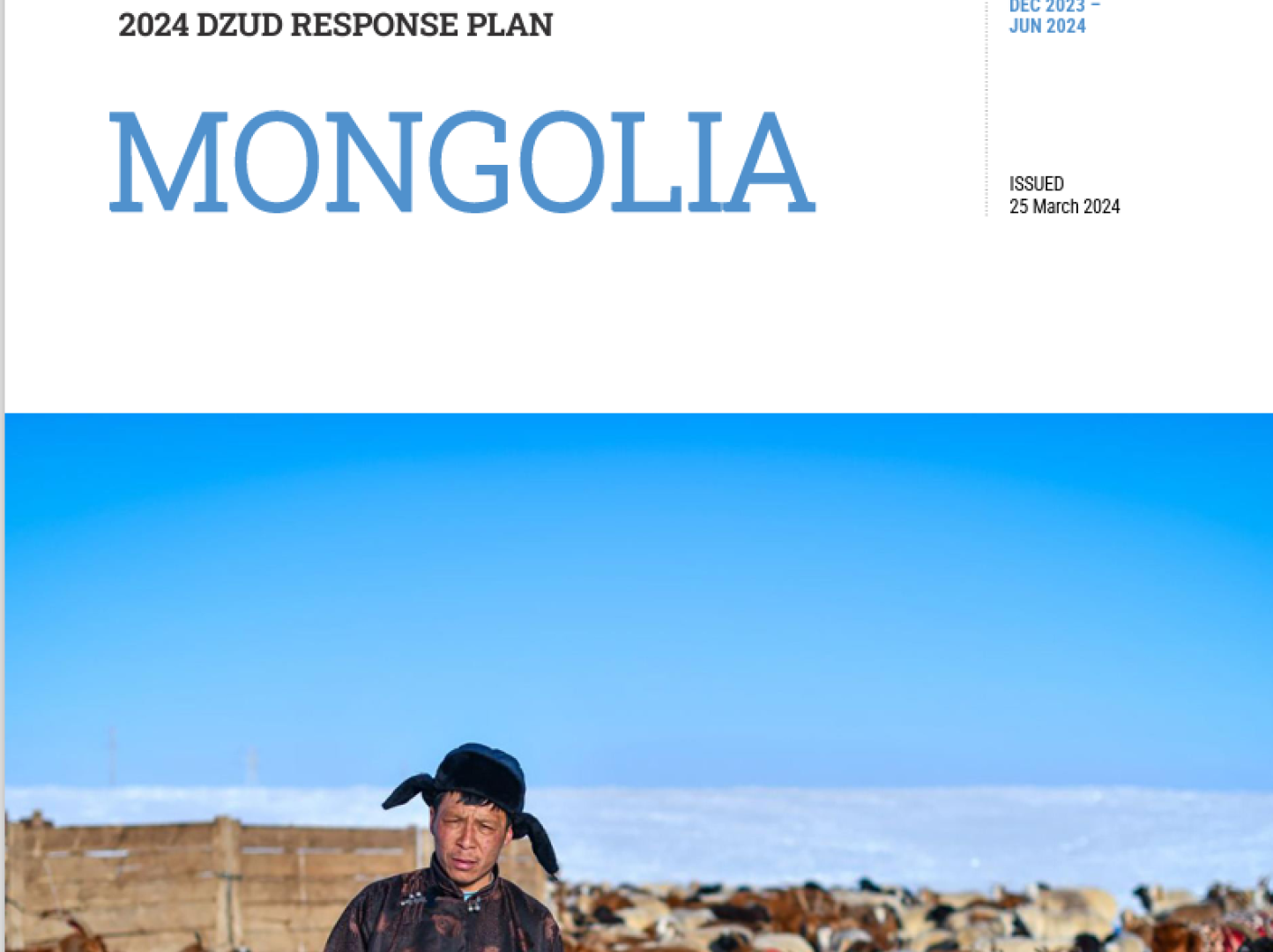
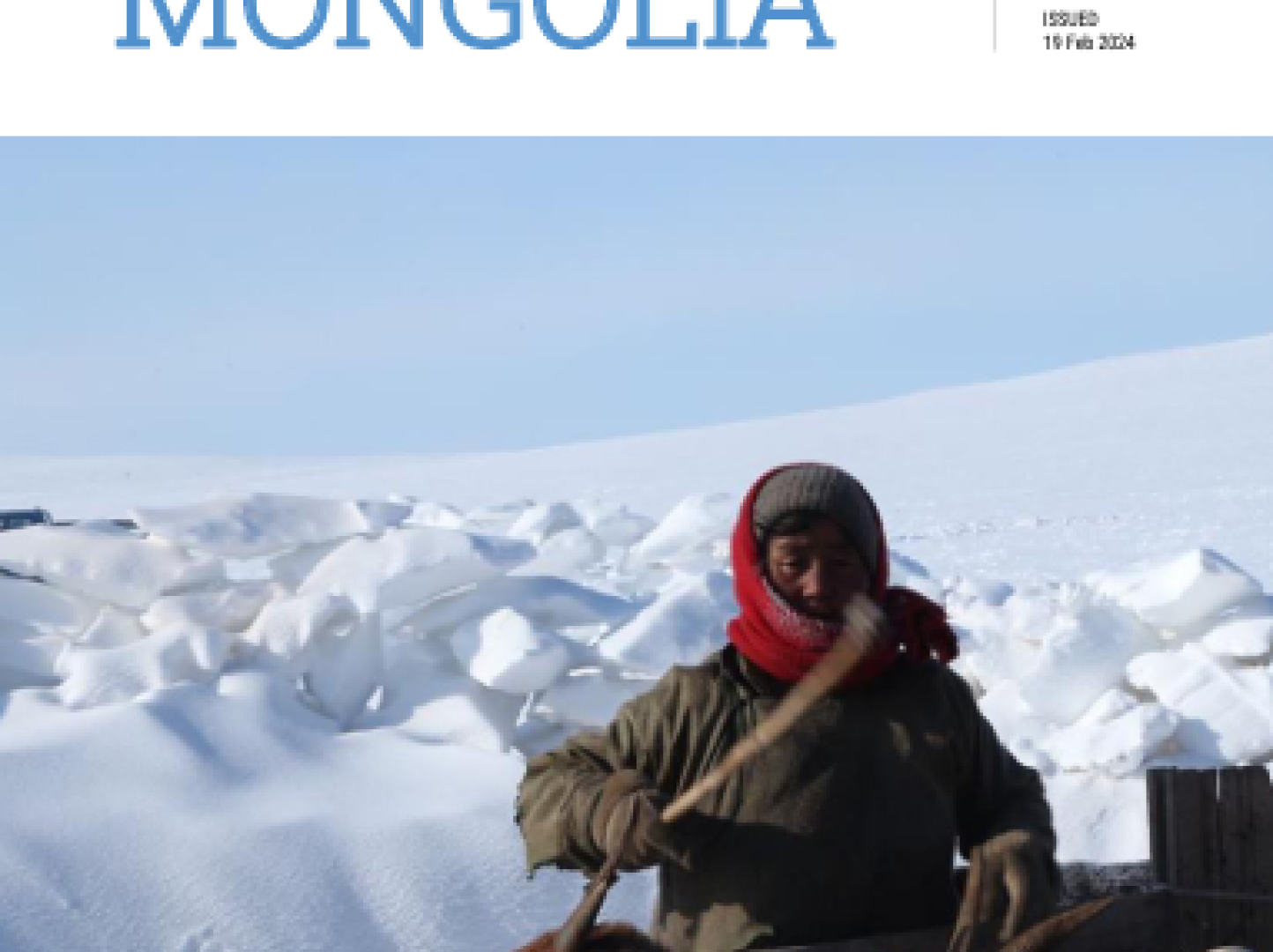
1 / 11