Mongolia Hosts National Consultation on Implementing the Awaza Programme of Action for Landlocked Developing Countries
04 November 2025
Ulaanbaatar, 4 November 2025 — Today, key stakeholders from government, international organizations, academia, and the private sector gathered at the United Nations House in Ulaanbaatar for a national consultation workshop on the implementation of the Awaza Programme of Action (APoA) for Landlocked Developing Countries (LLDCs) for 2024–2034, co-organized by the Ministry of Foreign Affairs, the UN Resident Coordinator’s office and the International Think Tank of LLDCs, based in Mongolia.
The APoA, adopted by the United Nations General Assembly in December 2024 and endorsed at the Third United Nations Conference on LLDCs in August 2025, is a ten-year global framework aimed at addressing the unique development challenges faced by the world’s 32 landlocked developing countries. Mongolia, as a co-chair of the multilateral negotiations alongside Austria, played a pivotal role in shaping the APoA.
The workshop aimed to raise awareness of the APoA among national stakeholders, assess Mongolia’s challenges and gaps across the five priority areas of the Programme, and chart a way forward for its effective implementation. These priority areas include: structural transformation and science, technology and innovation; trade, trade facilitation and regional integration; transit, transport and connectivity; enhancing adaptive capacity and resilience to climate change; and means of implementation.
In his opening remarks, Mr. Jaap van Hierden, UN Resident Coordinator in Mongolia, emphasized the urgency of addressing the structural barriers faced by LLDCs:
“LLDCs face unique constraints due to their lack of direct access to the sea. These constraints result in higher trade costs, limited connectivity, and slower economic growth. Mongolia, as one of the LLDCs, is deeply affected by these challenges.”
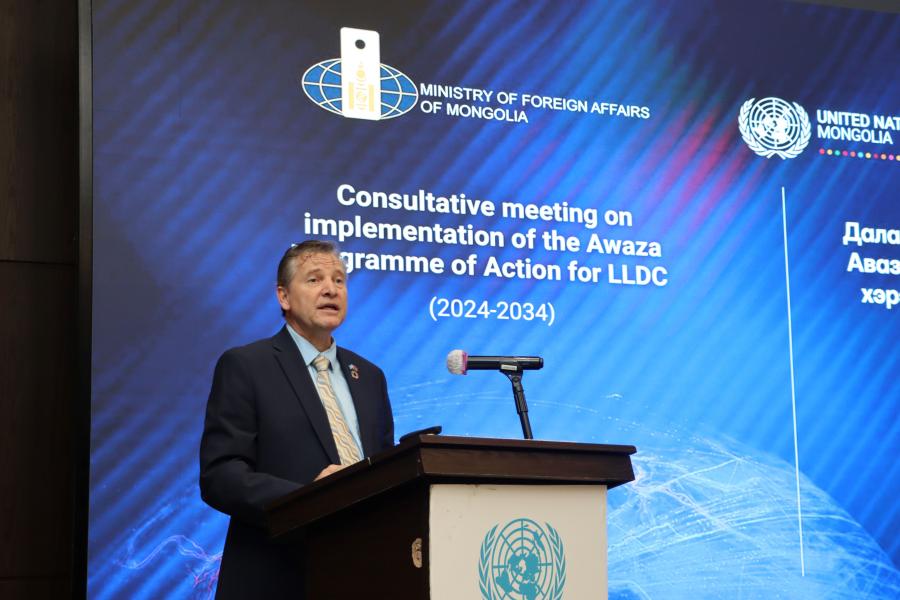
Mr. Dulguun Damdin-Od, Executive Director of the International Think Tank for LLDCs based in Mongolia, emphasized in his remarks that for the successful implementation of the Programme, it is essential for the Governments of LLDCs to integrate it into their national development policies, plans, and budgets, and to establish a national implementation mechanism.
“Without such national-level ownership, the Programme risks remaining a sound framework, but not a lived reality,” he added.

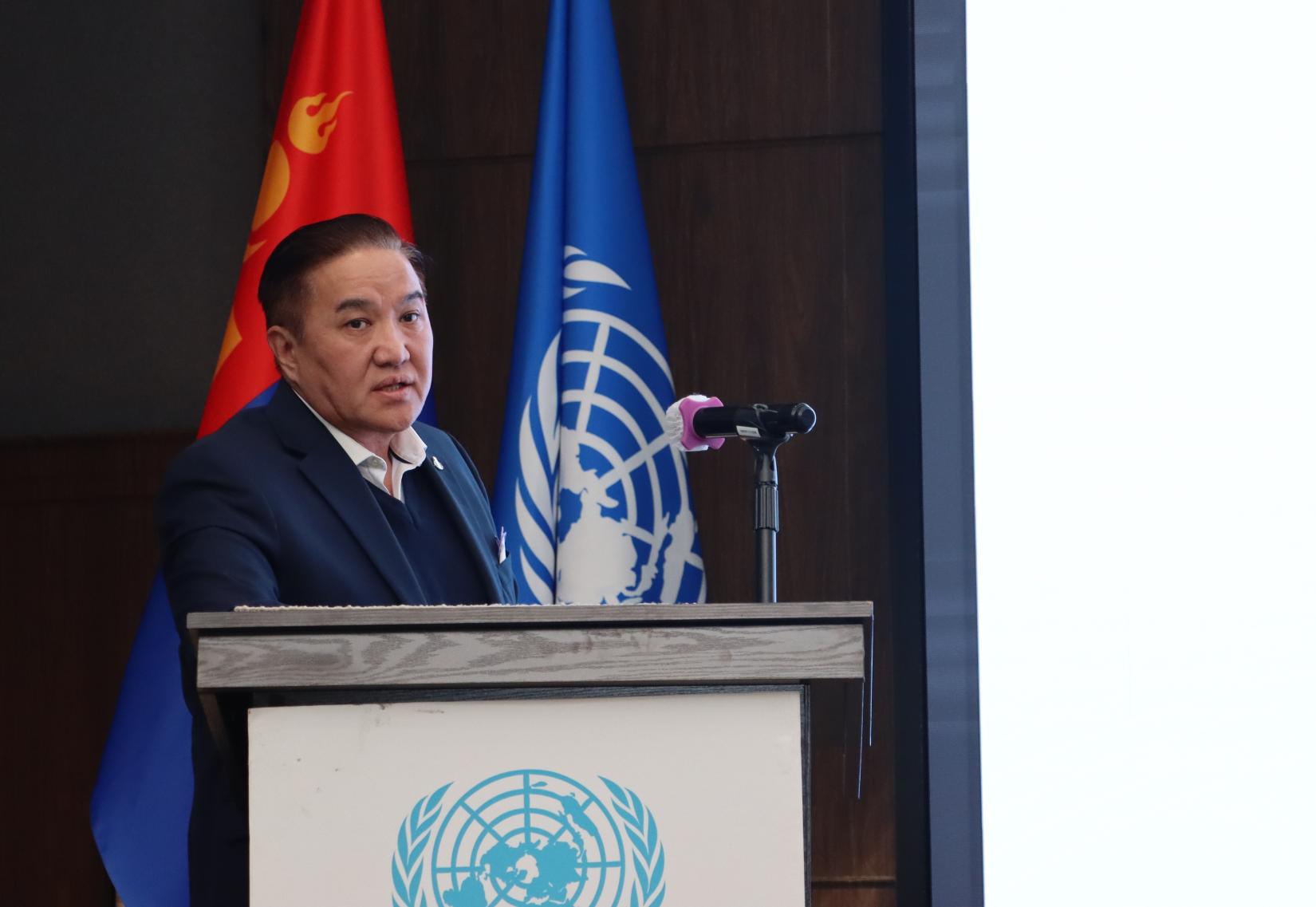
Delivering the keynote address, Mr. Enkhbold Vorshilov, Ambassador and former Permanent Representative of Mongolia to the United Nations, underscored that
"As of 2022, Landlocked Developing Countries (LLDCs) contributed just 1.1% to global commodity exports, 0.7% to global services exports, and only 0.3% to digital services exports."
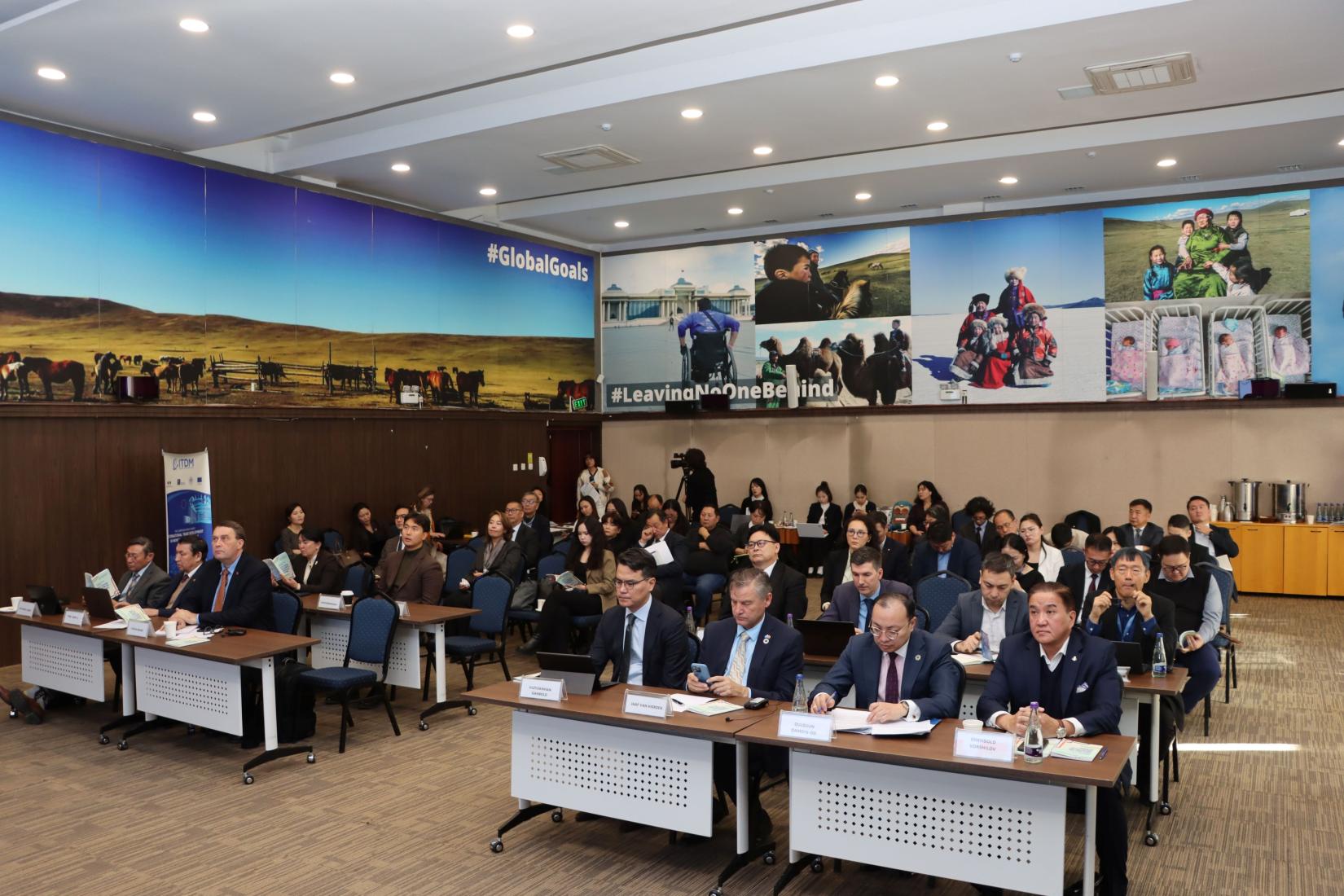
Among the panelists and presenters were representatives from the United Nations Economic and Social Commission for Asia and the Pacific (ESCAP), the Office of the High Representative for the Least Developed Countries, as well as Mongolia’s relevant ministries and agencies responsible for trade, transport, logistics, and digital development, alongside scholars from national universities and academic institutions.
Panelists and participants reached a consensus on the need to accelerate the implementation of the Programme by integrating its recommendations into Mongolia’s national development policies and plans, formulating a clear implementation roadmap, and strengthening both intersectoral collaboration and international partnerships.
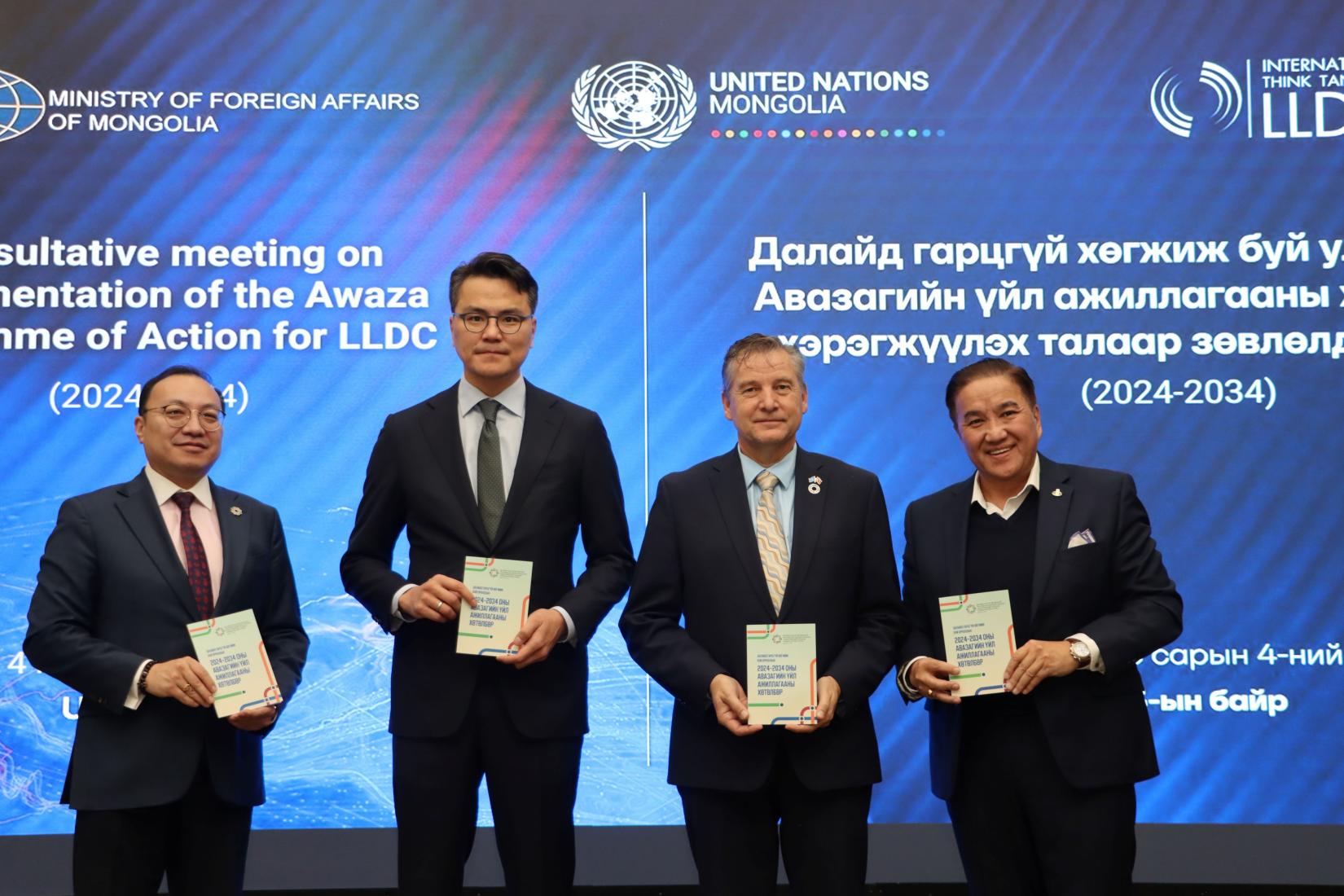
The Mongolian version of the APoA booklet was officially launched during the event, reinforcing the country’s commitment to inclusive and informed implementation of the Programme.


Soyolmaa Dolgor


UN entities involved in this initiative
Goals we are supporting through this initiative